

If you’ve ever wandered through a greenhouse on a hot, sunny day, you know how wild the temperature swings can get—inside, it’s like a sauna by mid-afternoon, dropping way faster at night. And if you’re growing something that needs consistent cold storage, like fresh herbs, cut flowers, or even seed samples, you’ve probably stared at your old fridge and wondered: can a 12V solar DC freezer work here? As someone who’s been selling 12V solar DC freezers for years, I get the frustration of dealing with unreliable, power-hungry cooling in spaces that are already tricky to power. Let’s break this down, no stuffy jargon, just real-world stuff that matters for greenhouse owners.
First, let’s get the basics out of the way. Greenhouses aren’t your average backyard room. They get tons of direct sunlight, which is perfect for your plants, but that same sun turns the inside temp into a rollercoaster—think 90°F (32°C) in the peak of summer, dropping to 50°F (10°C) overnight. Now, a regular AC fridge is made for indoor use, plugged into grid power, and it works by using alternating current (AC) which wastes energy converting from the sun’s DC power. That’s where 12V solar DC freezers come in—they run directly off DC, so no power conversion losses, way more efficient for off-grid spots like greenhouses.
But wait, is a 12V solar DC freezer actually built to handle a greenhouse’s wild conditions? Short answer: yes, but you’ve got to pick the right one. Let’s talk about why this makes so much sense for greenhouses specifically. First, power is a huge pain here. Most greenhouses are in places where running grid power is either super expensive or impossible—remote farms, backyard hobby spots, even community gardens. Solar is free, but if you hook up a regular fridge, it’ll drain your panels in no time. DC freezers run way smoother on solar because they don’t need that bulky inverter that eats up power. I’ve had customers put our 12V units in greenhouses and cut their solar power needs by like 30% compared to regular fridges, which is a big win when you’re already paying for panels and batteries.
Another big one: humidity. Greenhouses are always humid—like, sticky, foggy humidity that can rust metal, frost up fridges, and make electronics act weird. Regular fridges aren’t made for that; they’ll get condensation on the coils, the seals will go bad fast, and before you know it, your food’s spoiling. Our 12V solar DC freezers, though, are sealed tight with moisture-resistant components, so they handle that humidity way better. I had a customer in Florida last year who grew heirloom tomatoes, kept the ripe ones in our freezer, and even though his greenhouse hit 85°F with 70% humidity all summer, the freezer worked flawlessly. No rust, no condensation buildup, just consistent cold.
Wait, but what about temperature control? Greenhouses need different things stored at different temps, right? Fresh basil needs to be around 40°F (4°C), cut flowers at 35°F (2°C), seed samples at even cooler. Our 12V solar DC freezers have adjustable thermostats, so you can tweak the temp to whatever your crop or produce needs. And since they run on DC, they don’t have those big temperature spikes that regular fridges get when the compressor kicks on. That’s a huge deal for delicate stuff like flowers or seeds—even a 2°F swing can shorten their shelf life or kill germination.
But hold on, it’s not all perfect, and I don’t want to sugarcoat this. There are a few caveats that people miss when they first think about putting a freezer in a greenhouse. First, ventilation. Your freezer needs air to stay cool—if it’s crammed up against a wall or sitting in a spot with no airflow, the heat from the compressor will make it work way harder, drain your batteries faster, and even break. In a greenhouse, that’s extra important because the ambient temp is already higher, so you’ve got to leave 6-12 inches of space around the back and sides of the freezer for air to circulate. I always tell customers to put their freezer near a vent or an open part of the greenhouse, not in the middle of a wall of plants.
Second, sizing. Don’t overbuy. If you’re only storing a bag of herbs and a few flower bunches, you don’t need a huge freezer. A mini fridge will do the trick, and it’s way easier on solar. Speaking of that, let’s be clear on the types of units we have. If you’re looking for something small for hobby use, check out our Mini Fridge—perfect for a few herbs or seed packets, runs on 12V or 24V, so it works with almost any small solar setup. For a little more space, our Single Door Solar Home Refrigerator 12v/24v BC-50 holds enough for a family’s weekly produce or a small flower farm’s daily harvest. And if you need something a bit larger for more bulk storage, the Refrigerator For Home is built to handle more volume without wasting energy. All of these are designed specifically for DC solar, so no inverter needed, which saves you money upfront and on power bills.
Another caveat: winter. If your greenhouse is in a place where it gets below freezing outside, you’ve got to make sure your freezer isn’t sitting where the temp drops below 32°F (0°C) when it’s not in use. Wait, why? Because if your freezer is empty and the temp inside drops below freezing, the refrigerant can freeze, and that’ll damage the compressor. Even if you’re using it in winter, you might need a small heater for the battery bank—since solar panels don’t work as well in cold, short days, and batteries hate being too cold. But that’s a tiny add-on, way cheaper than running a grid freezer for a greenhouse.
Let’s talk real user stuff, because I don’t just sell these things—I talk to customers every day. Last year, a customer in Vermont who runs a small cut flower greenhouse bought our BC-50 unit, and he told me it was a game-changer. Before, he was using a regular grid fridge, but his greenhouse was a 45-minute drive from his house, so he had to leave a generator running 24/7 to keep it going. That cost him like $150 a month in gas, not to mention the noise. Now, he’s got a 100W solar panel hooked up to his freezer, runs it off a small deep cycle battery, and pays almost nothing. He says his cut flowers last 2-3 days longer now too, because the temp is way more consistent than his old fridge, which would spike when the generator revved.
Another customer, a community garden group in Ohio, used our Mini Fridge for storing vegetable seeds and fresh produce from the garden’s harvest. They didn’t have grid power there at all, so solar was their only option. They said putting the fridge in the greenhouse cut down on their food waste by almost half, because they no longer had to haul produce back to the main office every other day and risk it spoiling in the summer heat. The humidity was high, but they put a small dehumidifier fan near the fridge, and it worked fine—no issues with mold or rust on the unit.
Wait, but what if you don’t want a freezer, specifically? Some people just need a fridge, not a freezer, for keeping herbs or veggies cold. That’s why our line of 12V solar DC fridges works so well too—they’re built the same way, moisture-resistant, efficient, run on solar. But for most greenhouses, a freezer is more useful for storing bulk produce, preserving cut flowers, or keeping seeds fresh, so the 12V solar DC freezer is the way to go.

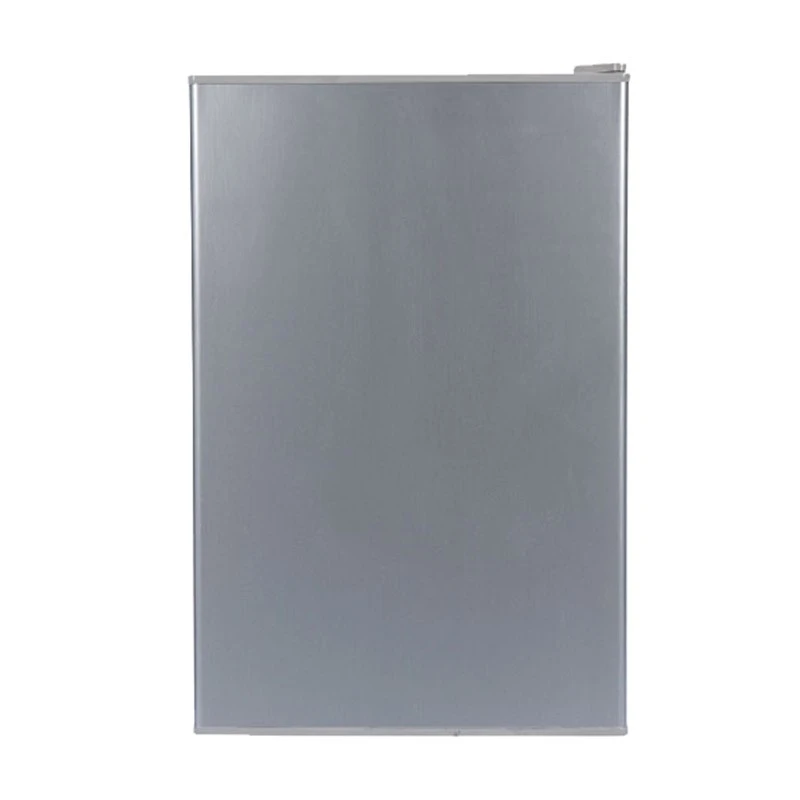
Let’s also address the elephant in the room: cost. I know people think solar stuff is expensive, but let’s do the math. A regular fridge costs like $500-$1000, plus you need an inverter for like $200-$300, plus installation. A 12V solar DC freezer costs a bit more upfront, but no inverter, and uses way less power, so your solar setup is smaller—you can get away with 1-2 small panels instead of 3 or 4. Over 5 years, that adds up to like $1000+ in savings on power and equipment. Plus, since it runs on free solar, you don’t have to worry about grid outages—no more losing your harvest because a storm knocks out power for a day or two. That’s huge for small farmers and hobby growers who can’t afford to lose their crops.
Is there any time a 12V solar DC freezer isn’t right for a greenhouse? Well, if your greenhouse is tiny, like a 4x8 foot hobby spot, and you’re only storing a few herbs, a small cooler might be cheaper. But if you’re growing anything that needs consistent cold storage, even on a small scale, the 12V unit is worth it. Another time? If you’re in a place with zero sun for weeks on end—like parts of Alaska in winter—but even then, you can size your battery bank to last a week or two, so you’re covered. I’ve had customers in Alaska use these units in greenhouses all winter, with a small backup battery, and they work great.
So putting it all together: yes, a 12V solar DC freezer absolutely can be used in a greenhouse, and it’s often the best option for hobby growers, small farmers, and community gardens. It’s efficient, handles humidity and temp swings way better than regular fridges, works off free solar power, and saves you money in the long run. You just need to pick the right size unit for your needs, make sure you’ve got good airflow around it, and size your solar setup properly.
If you’re a greenhouse owner who’s tired of spoiling produce, dealing with high power bills, or worrying about grid outages, and you want to try a 12V solar DC freezer, we’ve got a range of options for every need. Whether you need a tiny Mini Fridge for a small hobby spot, a Single Door Solar Home Refrigerator 12v/24v BC-50 for a small flower farm, or a larger Refrigerator For Home for bulk storage, we can help you pick exactly what works for your space. We’re always here to answer questions, help size your solar setup, and make sure you get the right unit for your greenhouse. Shoot us a line to chat more about what you need—we’d be stoked to help.
References
- U.S. Department of Energy. (2022). "Solar-Powered Refrigeration: Efficiency and Applications for Off-Grid Settings." Energy Saver.
- International Greenhouse Manufacturers Association. (2021). "Environmental Control for Specialty Crop Greenhouses."
- Food and Agriculture Organization of the United Nations. (2020). "Small-Scale Cold Storage for Fresh Produce: Best Practices for Off-Grid Operations."
- Consumer Reports. (2023). "Energy-Efficient Appliances for Remote Locations: DC vs. AC Units."