

Hey there! As a supplier of deep freezers on solar power, I've seen firsthand how insulation can significantly impact the performance of these amazing appliances. In this blog, we're gonna dive deep into the ins and outs of insulation in solar deep freezers and how it affects their efficiency, cooling capacity, and overall functionality.
Understanding the Basics of Insulation in Solar Deep Freezers
Let's start with the basics. Insulation in a solar deep freezer is like a protective shield that helps keep the cold air inside and the warm air outside. It acts as a barrier, reducing the transfer of heat between the interior and exterior of the freezer. The better the insulation, the less heat can seep in, which means the freezer doesn't have to work as hard to maintain a low temperature.
There are different types of insulation materials used in solar deep freezers, but the most common ones are polyurethane foam. This stuff is pretty great because it has excellent thermal properties, which means it can trap air and prevent heat from passing through it easily. The thickness of the insulation also plays a crucial role. Generally, the thicker the insulation, the better the thermal performance.
How Insulation Affects Cooling Performance
One of the most obvious ways insulation impacts the performance of a solar deep freezer is through its cooling efficiency. When the insulation is poor, heat from the outside environment can quickly enter the freezer. This forces the compressor to work harder and run more frequently to maintain the desired temperature. As a result, the freezer consumes more energy, which is a big no - no, especially when you're relying on solar power.
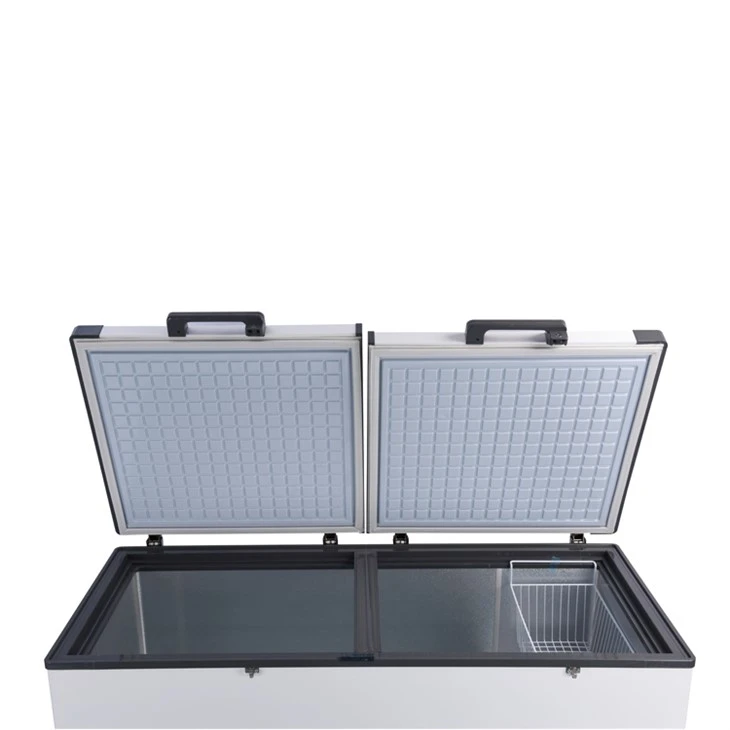
On the other hand, if the freezer has high - quality insulation, it can maintain a consistent low temperature with less energy consumption. For example, our BD/BC - 508 Solar Chest Freezer 65mm Foaming Thickness DC12V/24V DC/AC Dual Power Commercial & Household Freezing & Refrigeration with 65mm of foaming insulation does a great job at keeping the cold air in. This means the compressor doesn't have to be constantly running, which not only saves energy but also extends the lifespan of the compressor.
Impact on Food Preservation
Insulation also has a direct impact on how well the freezer can preserve food. In a well - insulated freezer, the temperature remains stable. Fluctuations in temperature can cause food to thaw and refreeze, which can lead to freezer burn and loss of quality. With proper insulation, you can trust that your food will stay fresh and frozen for longer periods.
Take our BD/BC - 408 65mm Foaming Thickness Normal DC12/24V/220V Solar Freezer Chest - Commercial & Household Use DC/AC Dual Power For Freezing & Refrigeration for example. The 65mm of foaming insulation ensures that the interior temperature stays consistent, whether it's for commercial use in a small shop or for a household's food storage needs. This stability is key to preventing food spoilage and ensuring that your customers or family always have access to high - quality frozen goods.
Energy Efficiency and Cost Savings
As I mentioned earlier, good insulation leads to better energy efficiency. Since solar deep freezers rely on solar power, which can sometimes be limited, it's crucial to make the most of the available energy. A freezer with poor insulation will draw more power from the solar panels and batteries, which can quickly deplete the stored energy.
Our freezers with thicker insulation, like the 85mm Foaming Thickness Normal 12v/24v Solar Deep Freezer Double Doors BD/BC - 508 and 85mm Foaming Thickness Normal 12v/24v Solar Deep Freezer Double Doors BD/BC - 658, are designed to be energy - efficient. They use less energy to maintain the same low temperature as a freezer with thinner insulation. This not only reduces your reliance on additional power sources but also saves you money in the long run, as you'll need fewer solar panels and smaller batteries to power the freezer.
Durability and Reliability
Insulation also contributes to the overall durability and reliability of a solar deep freezer. When the freezer doesn't have to work as hard to maintain the temperature, the components, such as the compressor and the cooling system, are under less stress. This means they're less likely to break down or malfunction, which can save you a lot of hassle and money on repairs.
Our 85mm Foaming Thickness Normal DC Solar Deep Freezer Refrigerator BD/BC - 158H is a prime example of a reliable appliance. The thick insulation helps protect the internal components from overheating and excessive wear and tear, ensuring that it can serve you well for years to come.
Choosing the Right Insulation for Your Needs
When it comes to choosing a solar deep freezer, the insulation is one of the most important factors to consider. If you live in a hot climate or need to store a large amount of food for an extended period, a freezer with thicker insulation is a better choice. On the other hand, if you have limited space or a smaller budget, a freezer with a slightly thinner insulation might still be suitable for your needs.
We offer a range of solar deep freezers with different insulation thicknesses to cater to various requirements. Whether you're a small business owner looking for a reliable commercial freezer or a homeowner in need of a household freezer, we've got you covered.

Wrapping It Up and a Call to Action
In conclusion, the insulation of a solar deep freezer has a huge impact on its performance. It affects cooling efficiency, food preservation, energy consumption, durability, and reliability. By choosing a freezer with high - quality and appropriate insulation, you can ensure that you get the most out of your solar - powered freezer.
If you're interested in learning more about our solar deep freezers or have any questions regarding insulation and performance, don't hesitate to reach out. We're always here to help you make the right choice for your specific needs. Whether you're in the market for a commercial or household freezer, we can provide the information and support you need for a successful purchase.
References
- ASHRAE Handbook of Fundamentals. This comprehensive guide provides in - depth knowledge about thermal insulation and its impact on refrigeration systems.
- Research papers on solar - powered refrigeration systems from academic journals, which discuss the relationship between insulation and the overall performance of solar deep freezers.