

Hey there! As a supplier of 12V solar DC freezers, I've seen firsthand how these nifty appliances can be a game-changer, especially in off-grid or solar-powered setups. In this blog, I'll share some tips on how to ensure the stable operation of a 12V solar DC freezer.
1. Proper Solar Installation
First and foremost, a good solar installation is the foundation for your freezer's stable operation. You need to make sure your solar panels are properly sized to meet the power demands of the freezer. For a 12V solar DC freezer, you'll need to calculate the daily power consumption of the freezer and then select solar panels that can generate enough electricity to cover that usage, even on cloudy days.
Location is also key. Install your solar panels in a spot where they can get maximum sunlight exposure throughout the day. Generally, a south-facing (in the northern hemisphere) or north-facing (in the southern hemisphere) orientation with minimal shade is ideal. This might mean mounting the panels on a rooftop or a pole in an open area.
Another important aspect is the tilt angle of the solar panels. Adjusting the tilt angle according to your geographical location can significantly increase the amount of sunlight they capture. Online tools and solar installation guides can help you figure out the optimal tilt for your area.

A 12 V DC chest freezer running straight from a ground-mounted panel - no inverter, no battery bank.
2. Quality Batteries
Batteries are like the energy storage bank for your 12V solar DC freezer. You want to choose high-quality deep-cycle batteries that can withstand repeated charging and discharging. Lead-acid batteries are a common choice, but lithium-ion batteries are becoming more popular due to their lighter weight, longer lifespan, and better performance in a wider range of temperatures.
Make sure the battery bank is properly sized. You need enough battery capacity to store sufficient energy to power the freezer during times when there's no sunlight, like at night or on overcast days. A simple rule of thumb is to aim for a battery bank that can store at least two to three times the daily power consumption of the freezer.
Regularly check the battery's state of charge and electrolyte levels (for lead-acid batteries). Over-discharging can damage the batteries and reduce their lifespan, so it's important to use a battery management system (BMS) to prevent this from happening.
3. Correct Wiring
Don't underestimate the power of good wiring! Using the right gauge of wire is crucial to minimize power loss. The wire should be thick enough to handle the current flowing from the solar panels to the batteries and then to the freezer without getting too hot. A thicker wire has less resistance, which means less energy is wasted as heat.
Use high-quality connectors and make sure all connections are tight and secure. Loose connections can cause voltage drops and even lead to electrical fires in extreme cases. Inspect the wiring regularly for signs of wear and tear, such as frayed insulation, and replace any damaged parts immediately.
4. Temperature Management
The 12V solar DC freezer works best within a certain temperature range. Try to install the freezer in a well-ventilated area. Good ventilation helps the freezer dissipate heat more effectively. If the freezer is placed in a confined space, the heat it generates can build up, making it work harder to maintain the desired temperature.
Avoid exposing the freezer to direct sunlight or other heat sources. For example, don't put it next to a stove or a radiator. If possible, insulate the area around the freezer to prevent heat transfer from the outside environment.
Also, keep an eye on the ambient temperature. In extremely cold weather, the freezer may not need to work as hard, and in very hot weather, it will have to work overtime. You may need to adjust the temperature settings of the freezer accordingly.
5. Regular Maintenance
Just like any other appliance, your 12V solar DC freezer needs regular maintenance. Clean the condenser coils regularly. Dust and debris can accumulate on the coils, reducing their efficiency. You can use a soft brush or a vacuum cleaner to gently remove the dirt.
Check the door seals for any signs of wear or damage. A faulty door seal can let warm air into the freezer, causing it to work harder and consume more energy. If the seal is damaged, replace it as soon as possible.
Inspect the interior of the freezer for any ice buildup. Excessive ice can reduce the storage space and also affect the freezer's performance. If there's a lot of ice, defrost the freezer according to the manufacturer's instructions.
6. Monitoring and Troubleshooting
Invest in a monitoring system that can keep track of the power input from the solar panels, the state of charge of the batteries, and the temperature inside the freezer. This way, you can quickly detect any issues and take corrective action.

The digital controller on a DC cabinet: cabinet temperature, compressor status and live DC input voltage.
If you notice that the freezer is not cooling properly or if the battery is not charging as it should, don't panic. First, check the obvious things like the connections, the solar panel alignment, and the battery voltage. If you can't figure out the problem on your own, consult the freezer's user manual or contact the manufacturer's customer support.
Product Recommendations
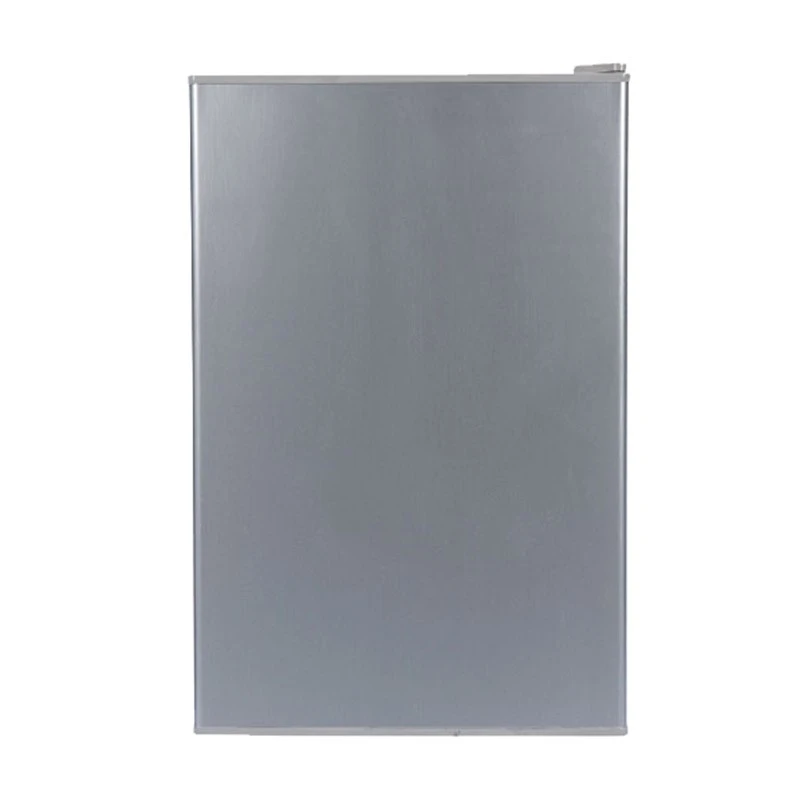
If you're in the market for a 12V solar DC freezer, we have some great options. Check out our Single Door Solar Home Refrigerator 12v/24v BC-50. It's a great choice for small households or off-grid living. We also have the Refrigerator For Home, which offers more storage space. And if you need something compact, our Mini Fridge is perfect.

About the manufacturer
JUKA has been building solar refrigeration since 2009. Sheet-metal fabrication, foaming, refrigeration assembly and final testing all run under one roof at our plant in Zhejiang, China, which is why we can answer a question like this one from our own test data instead of from a catalogue. The group also includes Zhejiang Gangtong Electrical Appliance (manufacturing headquarters) and Huzhou Transtec (CKD/SKD projects). We hold ISO 9001 and ISO 14001, and CE certificates E24031861 and E24031881 cover our household refrigeration range. DC freezers, solar direct-drive cabinets, ice makers and CKD kits are all available for OEM programmes.
Conclusion
Ensuring the stable operation of a 12V solar DC freezer requires a combination of proper installation, quality components, regular maintenance, and monitoring. By following the tips in this blog, you can keep your freezer running smoothly and efficiently for years to come.
If you're interested in purchasing a 12V solar DC freezer or have any questions about our products, feel free to reach out to us. We're here to help you make the best choice for your needs and ensure that your solar-powered freezer setup is a success.
References
- Solar Energy International. "Solar PV Design and Installation Handbook."
- Battery Council International. "Battery Maintenance Guide."
- Manufacturer's user manuals for 12V solar DC freezers.