

When discussing the best time of day to operate a solar deep freezer, it is essential to understand the factors that influence solar power generation and the energy requirements of the freezer. As a solar deep freezer supplier, I have encountered numerous customers who are eager to optimize their freezer's usage to get the most out of their solar energy systems.
Understanding Solar Power Generation
Solar panels convert sunlight into electricity through the photovoltaic effect. The amount of electricity generated depends primarily on the intensity and duration of sunlight. The solar irradiance, which measures the power per unit area received from the sun, is highest when the sun is at its zenith, usually around solar noon. Solar noon is not always the same as 12:00 PM local time; it varies depending on your location and the time of year.
In general, the period from about two hours before solar noon to two hours after is when solar panels generate the most power. This is because the sun is at a relatively high angle in the sky, and the sunlight has to pass through less of the Earth's atmosphere, resulting in less absorption and scattering of solar radiation. During this time, the solar panels can achieve their peak power output, which is ideal for operating high - energy appliances like solar deep freezers.
Energy Requirements of Solar Deep Freezers
Solar deep freezers are designed to maintain a low temperature, typically between - 18°C to - 24°C for commercial and household freezing applications. These freezers consume a significant amount of energy to keep the internal temperature stable, especially when the ambient temperature is high.
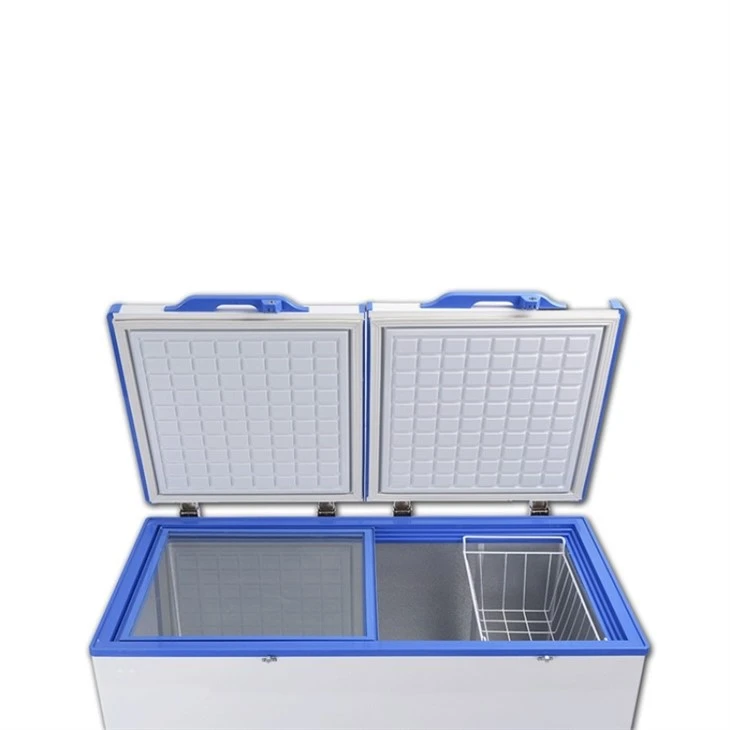
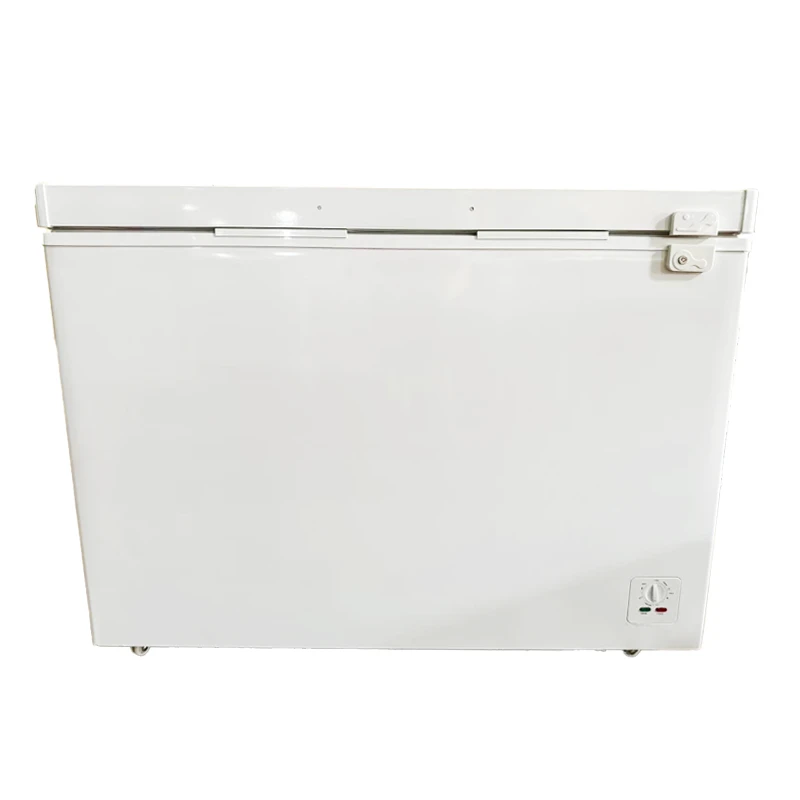
The energy consumption of a solar deep freezer can vary depending on its size, insulation, and the frequency of door openings. Our company offers a range of solar deep freezers, such as the 65mm Foaming Thickness Normal 12v/24v Solar Deep Freezer Single Door BD/BC - 308, BD/BC - 358H 65mm Foaming Thickness Normal DC Solar Deep Freezer Refrigerator, 65mm Foaming Thickness Normal 12v/24v Solar Chest Freezer Single Door BD/BC - 88, BD/BC - 408 65mm Foaming Thickness Normal DC12/24V/220V Solar Freezer Chest - Commercial & Household Use DC/AC Dual Power For Freezing & Refrigeration, and 65mm Foaming Thickness Normal 12v/24v Solar Deep Freezer Double Doors BD/BC - 268. These freezers are equipped with high - quality insulation materials, such as 65mm foaming thickness, which helps reduce the energy consumption by minimizing heat transfer.
The Best Time to Operate a Solar Deep Freezer
Based on the above understanding of solar power generation and freezer energy requirements, the best time to operate a solar deep freezer is during the peak solar hours. This usually means running the freezer from around 10:00 AM to 2:00 PM local time, which aligns with the period of maximum solar irradiance in most regions.
During these hours, the solar panels can produce enough electricity to power the freezer continuously and efficiently. If the freezer is connected to a battery storage system, any excess electricity generated during this time can be stored for later use, such as during the night or on cloudy days.
Operating the freezer during peak solar hours also takes advantage of the lower ambient temperatures in the morning compared to the afternoon. Lower ambient temperatures mean less heat transfer into the freezer, reducing the energy required to maintain the low internal temperature.
However, it is important to note that the optimal operating time may vary depending on geographical location, season, and weather conditions. For example, in regions closer to the equator, the solar irradiance is more consistent throughout the year, and the peak solar hours may be more stable. In contrast, in higher latitudes, the length and intensity of sunlight can vary significantly between summer and winter, which may require adjusting the operating time accordingly.
Practical Considerations for Operating a Solar Deep Freezer
- Load Management: If you have multiple solar - powered appliances in your system, it is crucial to manage the load effectively. Try to operate high - energy appliances like the deep freezer during peak solar hours and switch to less energy - intensive devices during off - peak hours.
- Battery Storage: A reliable battery storage system is essential for continuous operation of the solar deep freezer. Ensure that the battery has sufficient capacity to store the excess energy generated during the day and can supply power to the freezer during the night or when there is insufficient sunlight.
- Maintenance: Regular maintenance of both the solar panels and the freezer is necessary to ensure optimal performance. Clean the solar panels periodically to remove dust and debris that may reduce their efficiency. Check the seals and insulation of the freezer to prevent air leakage and maintain the low internal temperature.
Conclusion
In conclusion, the best time to operate a solar deep freezer is generally during the peak solar hours, typically from 10:00 AM to 2:00 PM local time. This allows the freezer to take full advantage of the maximum solar power generation, reducing the reliance on battery storage and ensuring efficient operation.
However, it is important to consider geographical location, season, and weather conditions when determining the optimal operating time. By understanding the principles of solar power generation and the energy requirements of the freezer, you can make informed decisions to maximize the performance of your solar deep freezer system.
If you are interested in purchasing a solar deep freezer or have any questions about solar energy systems, please feel free to contact us for a detailed consultation and personalized purchasing advice. We are committed to providing high - quality products and professional services to meet your needs.
References
- Duffie, J. A., & Beckman, W. A. (2013). Solar Engineering of Thermal Processes. Wiley.
- Kreith, F., & Goswami, D. Y. (2007). Principles of Heat Transfer. Cengage Learning.