# 100% Solar-Powered Air Conditioning Goes Mainstream: New DC Air Conditioner Series Runs on Sunshine Alone
*As global heatwaves intensify, a new line of DC-powered solar air conditioners - from 9,000 to 24,000 BTU - promises cooling without the grid, and without the electricity bill.*
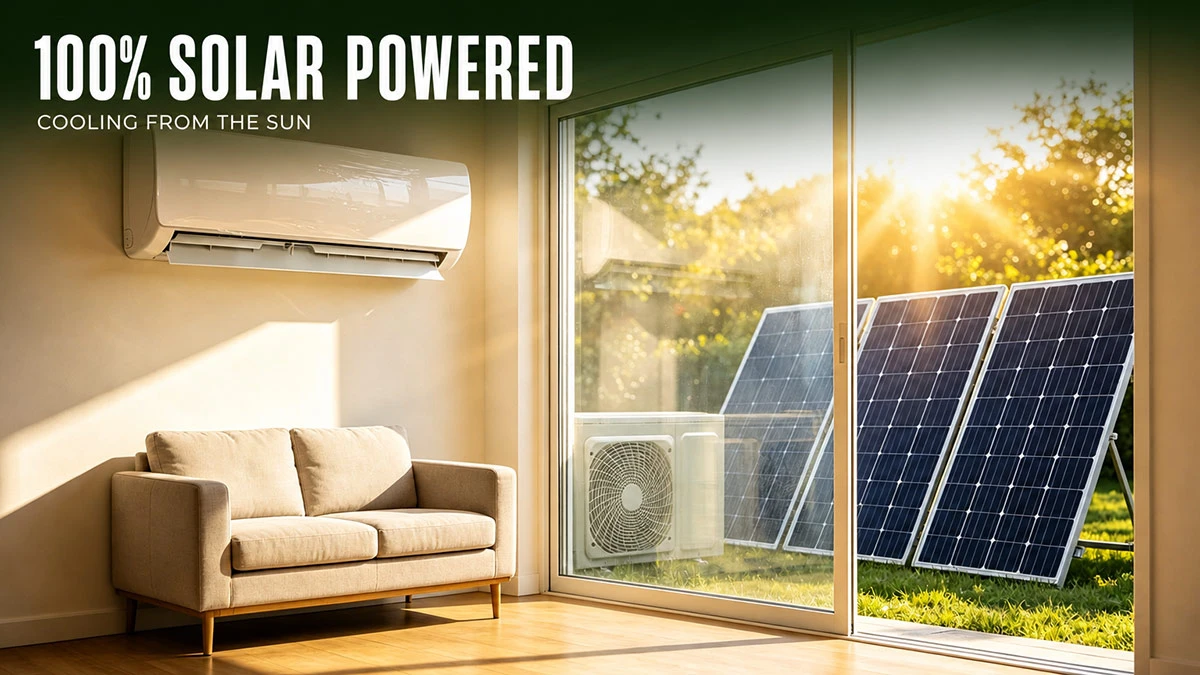
**August 28, 2026** - Air conditioning is no longer a luxury; it is fast becoming a necessity. Yet with each record-breaking summer, the electricity needed to cool homes, farms, shops and vehicles grows more expensive - and in many parts of the world, the grid simply cannot keep up. A growing number of manufacturers are now answering with a deceptively simple solution: run the air conditioner on the sun itself.
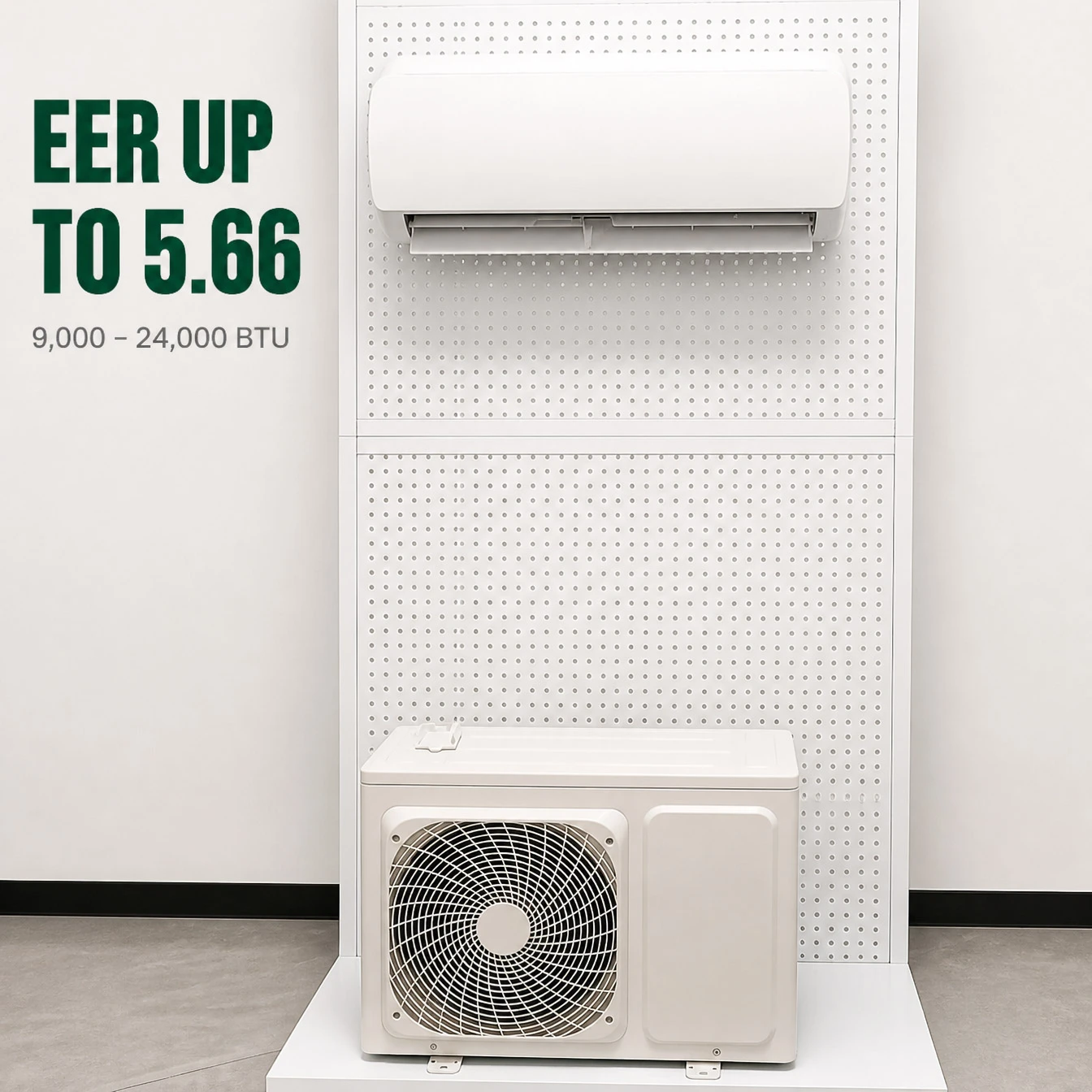
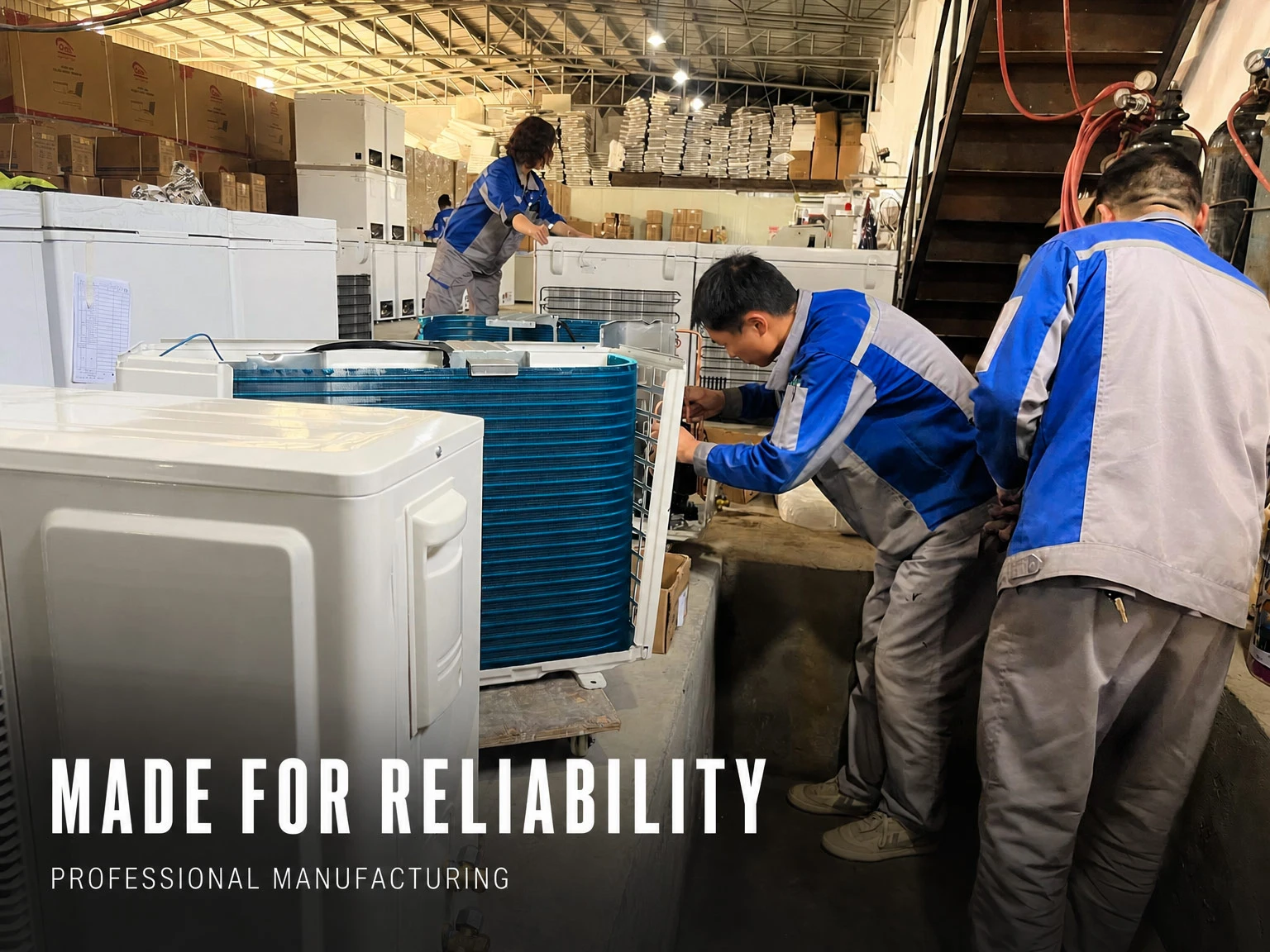
The latest move comes from a professional manufacturer of new-energy commercial mobile cold chain solutions, which has launched a new series of 100% solar-powered air conditioners engineered to deliver complete cooling performance on photovoltaic energy alone. The lineup comprises four models - KF-26GWS, KF-35GWS, KF-50GWS and KF-70GWS - spanning cooling capacities from 9,000 BTU (0.75 ton) to 24,000 BTU (2 tons), and sized for rooms from 11 m² up to 45 m².
## A complete lineup for every space
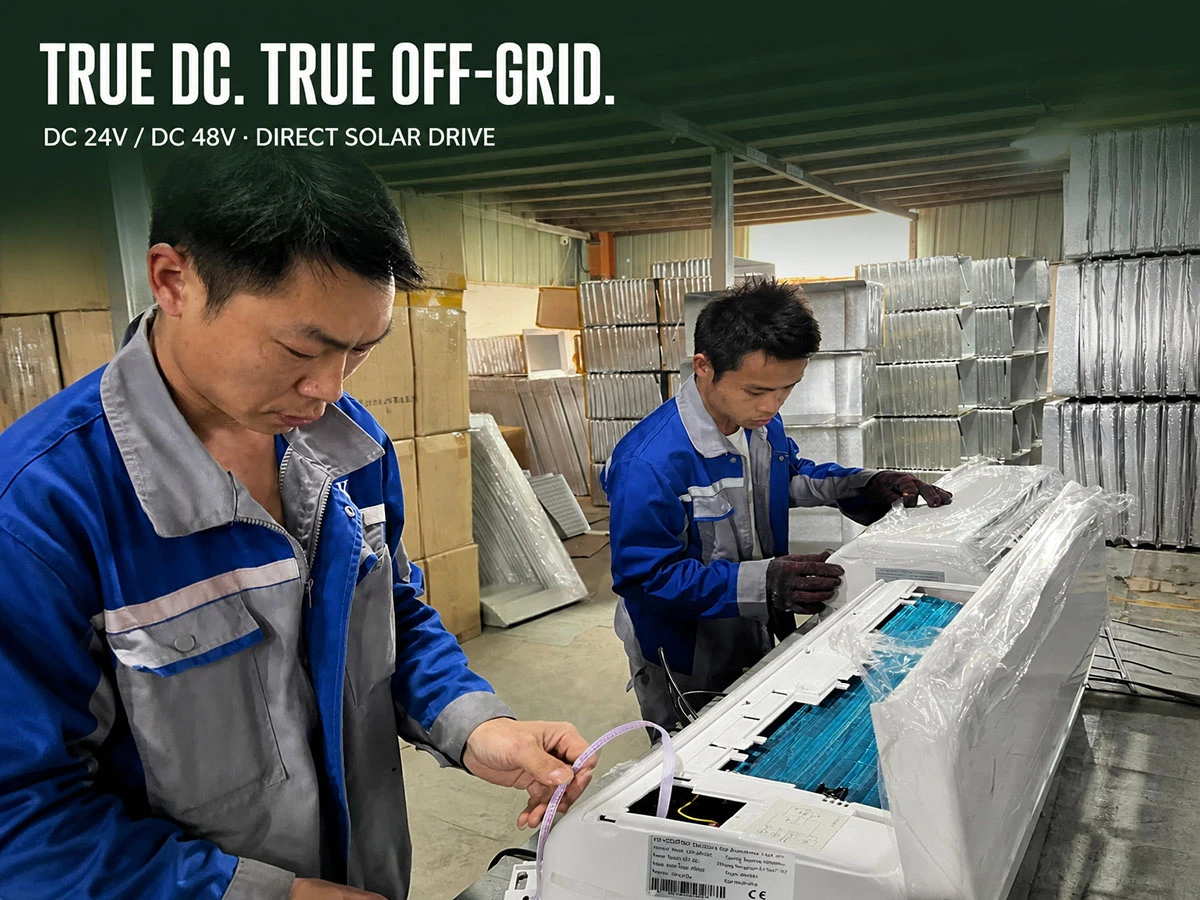
All four models run on pure direct current (DC) - a design choice that eliminates the inverter stage found in conventional solar-plus-grid systems, avoiding the energy losses that conversion entails and allowing the units to connect straight to solar panels and battery storage.
| Model | Cooling Capacity | Input Power | Input Voltage | EER (W/W) | Airflow | Recommended Area |
| --- | --- | --- | --- | --- | --- | --- |
| KF-26GWS | 9,000 BTU / 2,600 W | 650–720 W | DC 24V | 3.84 | 470 m³/h | 11–18 m² |
| KF-35GWS | 12,000 BTU / 3,500 W | 800–950 W | DC 48V | 4.23 | 570 m³/h | 16–28 m² |
| KF-50GWS | 18,000 BTU / 5,000 W | 890–1,000 W | DC 48V | 5.38 | 1,000 m³/h | 25–35 m² |
| KF-70GWS | 24,000 BTU / 7,000 W | 1,258–1,325 W | DC 48V | 5.66 | 1,200 m³/h | 35–45 m² |
The efficiency figures are striking. The two largest models achieve Energy Efficiency Ratios (EER) of 5.38 and 5.66 - among the highest in the segment - meaning more cooling delivered per watt of input power, and a smaller solar array needed to run them. The smallest model, at just 650–720 W of input power, can be paired with a modest panel and battery setup for remote or off-grid use. Operation is quiet, too: indoor noise levels start at just 39 dB(A) on the compact model, while outdoor units range from 49 to 52 dB(A), keeping both rooms and neighborhoods undisturbed.
## Sunlight by day, grid standby by night
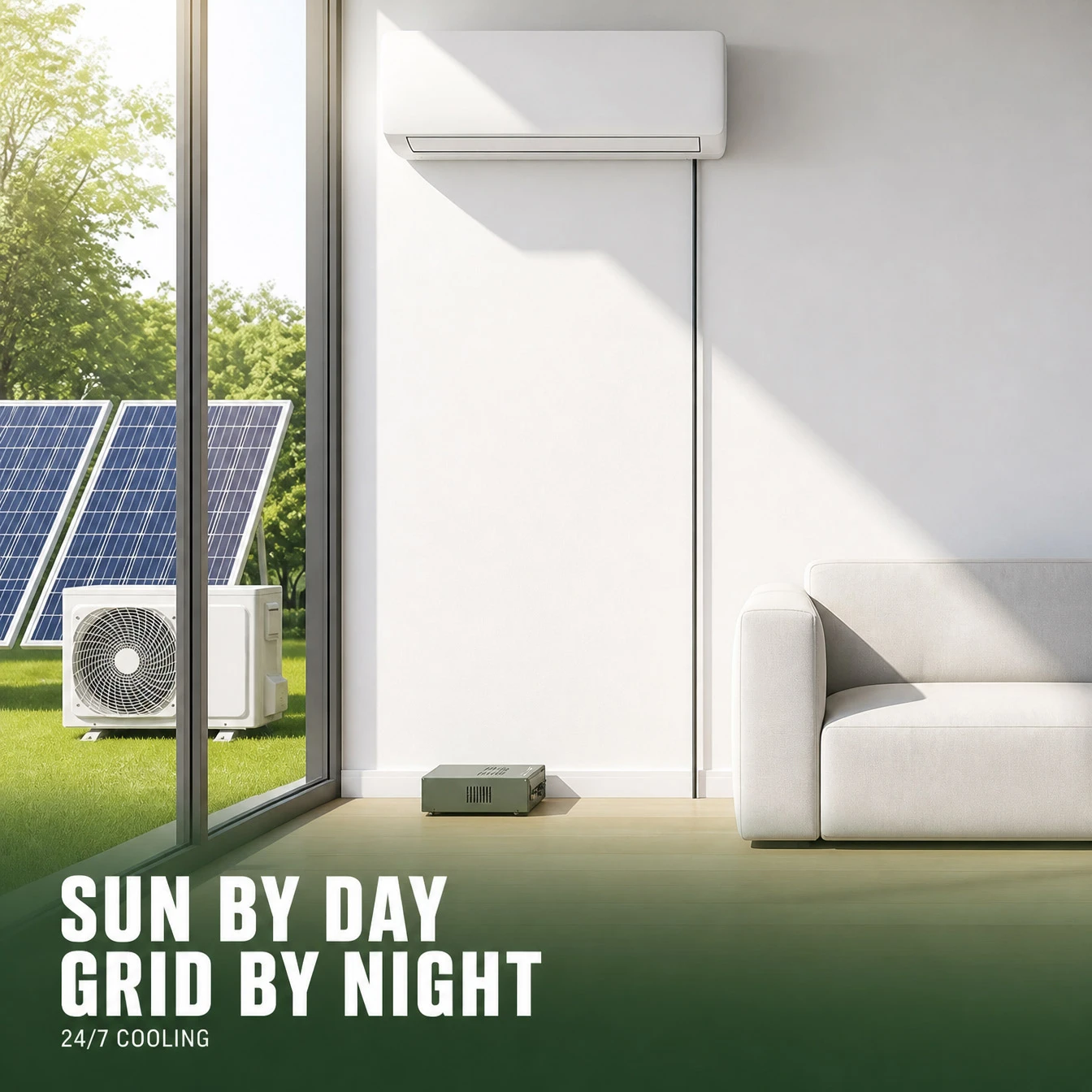
The real innovation sits in the power system. Each unit is paired with an intelligent power management system that puts solar energy first. During daylight hours, the air conditioner connects directly to PV solar panels - accepting a wide solar input range of DC 90–350V at up to 20A - and runs 100% on sunshine. When the sun sets or clouds roll in, the system seamlessly shifts to AC power (220V, 50/60Hz) as a standby source, keeping rooms cool around the clock in any weather.
For a typical 12,000 BTU installation, the recommended configuration uses two solar panels wired in series across four parallel strings, routed through a PV combiner box and an MPPT (Maximum Power Point Tracking) controller, with a circuit breaker and a battery bank completing the loop. The MPPT controller continuously tracks the panels' maximum power point, optimizing energy harvest even as sunlight intensity changes through the day - morning haze, midday glare, passing clouds - so the compressor always receives the maximum available power.
The benefits multiply in practice. During peak sunshine hours - precisely when cooling demand is highest - the system draws nothing from the grid. Electricity bills shrink dramatically, and in regions where power cuts are common, a properly sized battery bank turns the air conditioner into a reliable cooling lifeline that keeps running when the neighborhood goes dark.
## Why solar air conditioning is taking off
The launch lands at a moment when solar cooling is moving from niche to mainstream. Earlier this month, *The Telegraph* reported that households with rooftop solar panels can run air conditioning "almost for free" during heatwaves - an increasingly decisive factor as summer electricity prices climb. In research labs, the technology is advancing just as quickly: scientists at Germany's Karlsruhe Institute of Technology (KIT) recently unveiled a hybrid surface that combines photovoltaics with passive radiative cooling, achieving cooling of up to 6.5°C below ambient temperature while generating power and heat at the same time. Commercial adoption is following the same curve - Haier has introduced solar-powered air conditioning in Pakistan, and a project in Colombia is storing solar energy as ice to deliver daytime cooling without straining the grid.
At the center of this wave is a simple equation: the sun shines hottest when people need cooling most. Solar air conditioners are built around exactly that alignment, turning the harshest hours of the day into the cheapest ones.
## Where it fits
The new series targets a wide range of users:
- **Homes and apartments** in sunny climates looking to slash summer electricity bills;
- **Remote farms, ranches and greenhouses** where grid connection is expensive or unavailable;
- **Off-grid cabins, tiny houses and RVs** that pair naturally with DC appliances and battery banks;
- **Mobile cold chain operations** - delivery vehicles, refrigerated containers and field equipment - where reliable, fuel-free cooling is essential;
- **Regions with unstable grids**, where uninterrupted cooling can be a matter of health and safety during extreme heat.
Because the units are DC-native, they integrate directly with solar panels, MPPT controllers and battery storage without extra conversion hardware - a plug-and-play architecture that keeps installation simple and total system cost low.
## The road ahead
As solar panel prices continue their long decline and DC appliance technology matures, the economics of solar-powered cooling only get more favorable. For the manufacturer behind the new series - already established as a professional producer of new-energy commercial mobile cold chain equipment - the launch marks another step in a broader shift toward energy-independent climate control, from stationary homes to vehicles on the move.
The message is clear: the same sun that drives the heat can also drive the air conditioner. With 100% solar-powered DC systems now available from 9,000 to 24,000 BTU, the question for buyers is no longer whether solar cooling works - but how soon they make the switch.
---
*Product specifications sourced from the manufacturer's official catalog (November 2025 edition). Industry references: The Telegraph (Aug 13, 2026); pv magazine (Aug 14, 2026); Daily Pakistan (Aug 24, 2026); Mshale (Aug 25, 2026).*
|
|
|