


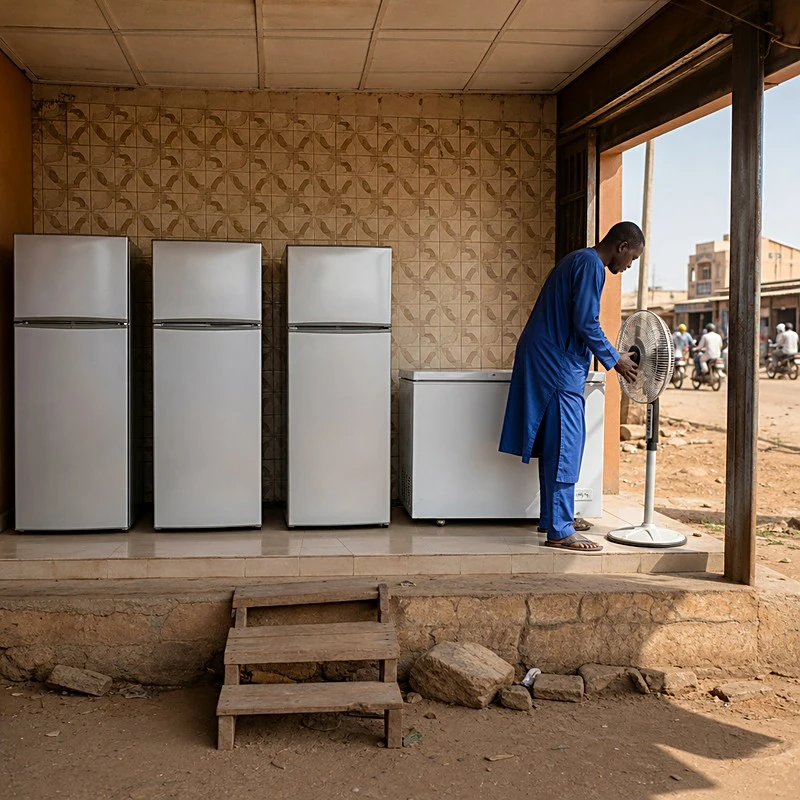
Your Market Does Not Need Another Container Of Finished Units
It needs a workshop. We supply the knocked-down kits, the tooling, the process sheets and the engineer who stands beside your team until the first cabinet pulls down to temperature. You supply the building, the people, and the market you already understand better than we do.
Hangzhou Juka has been building solar cold-chain equipment since 2009. Partners in Cameroon, Chad, Congo, Uzbekistan and Yemen have taken our kits and turned them into local assembly. This page is about that part of the business: the spare parts, the CKD and SKD packs, and the factory that grows out of them.
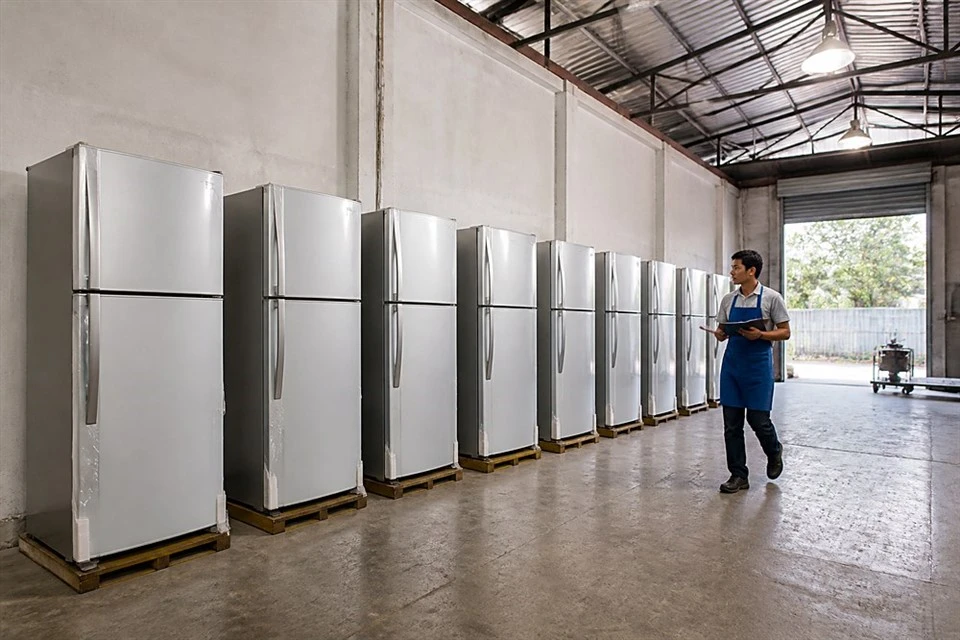
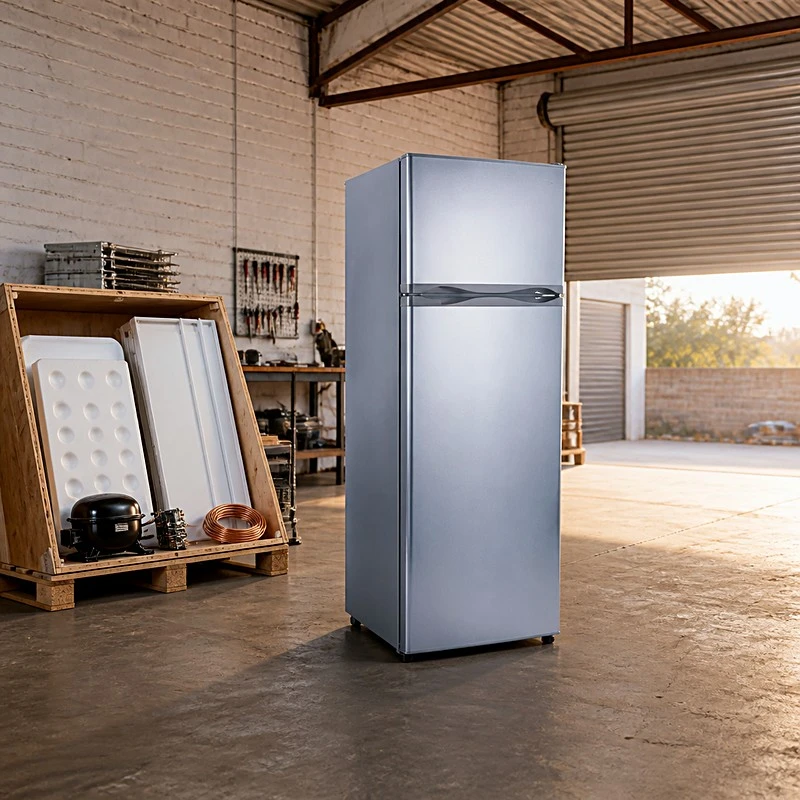
A Kit Is Not A Box Of Spare Parts. It Is A Production Line In A Container.
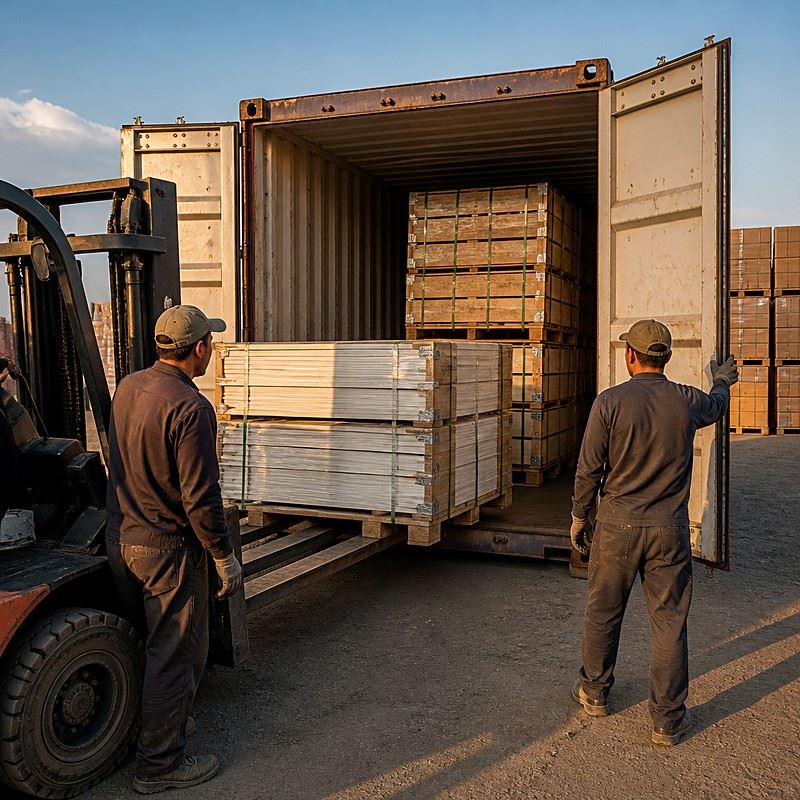
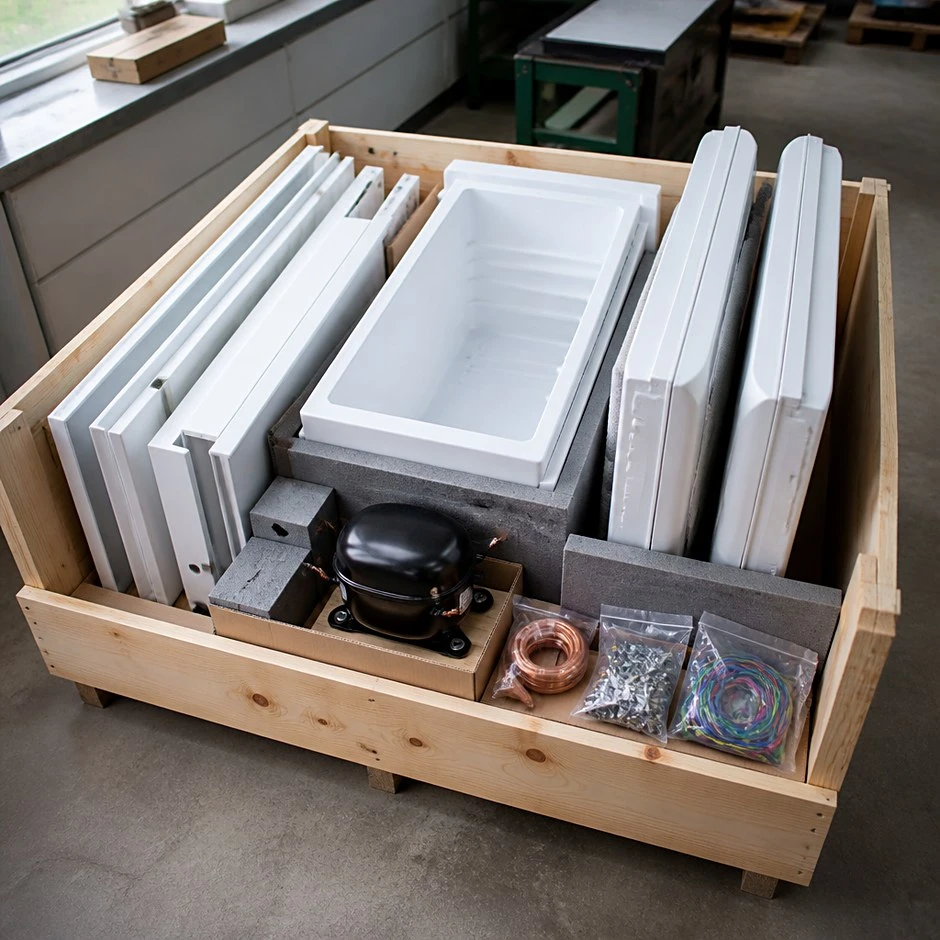
Every kit is built against a bill of materials for one cabinet size, then packed in the order your team will use it. Panels come out first, then the liner, then doors, then the sealed refrigeration parts, then the bag of fasteners for that unit. Nothing is bulk-tipped into the container, because a mixed pile is what turns a two-week build into a two-month one.
The same pack ships with a process sheet for each station, a torque and clearance sheet, and the refrigerant charge table for the model range you ordered. None of that is secret. It is simply the difference between buying parts and buying a method.
Complete, Semi-Knocked-Down, Fully Knocked-Down
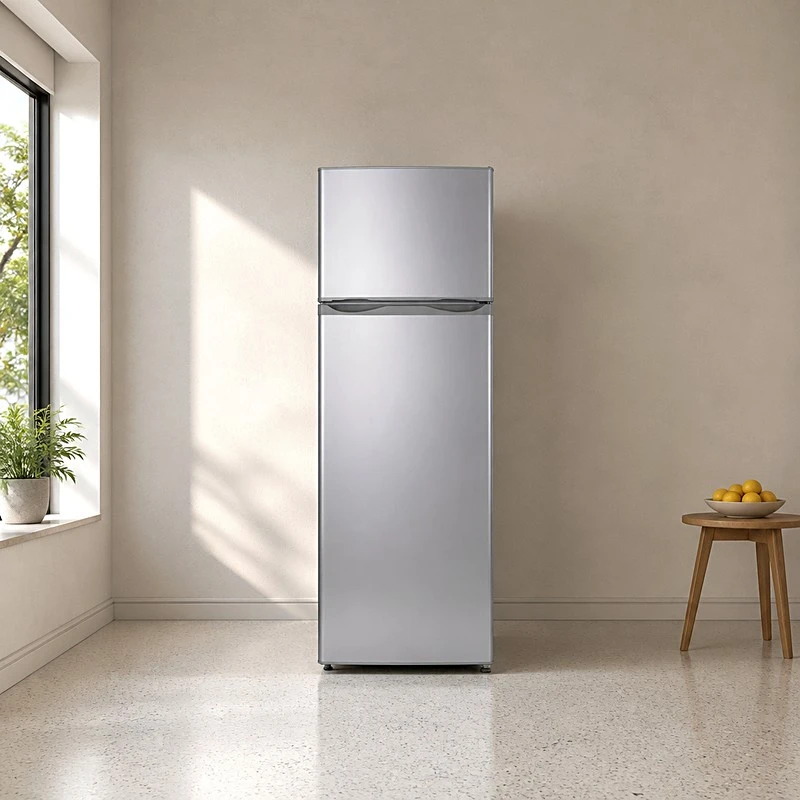
Most first orders start at SKD and move to CKD once the team is comfortable. The cabinet is the same cabinet in all three formats, so the retail product does not change when you change the supply format.
| Format | What arrives | What your team does | Container density |
|---|---|---|---|
| CBU complete unit | Finished, tested appliance, packed for retail | Unpack, place on the shop floor, sell | 1x, the baseline |
| SKD semi knocked down | Cabinet closed and foamed, refrigeration circuit sealed, doors, trim, shelves and fasteners packed loose | Fit doors, handles, castors, shelves and badge, then run the final test | Higher than CBU, below CKD, depending on model |
| CKD fully knocked down | Flat panels, liner, foamed doors, compressor, condenser, evaporator, wiring harness, fasteners and manuals | Build the cabinet, foam it, pipe it, evacuate, charge, leak test and cool down | 2-3x CBU in the same container |
The Bill Of Materials Behind One Home Refrigerator
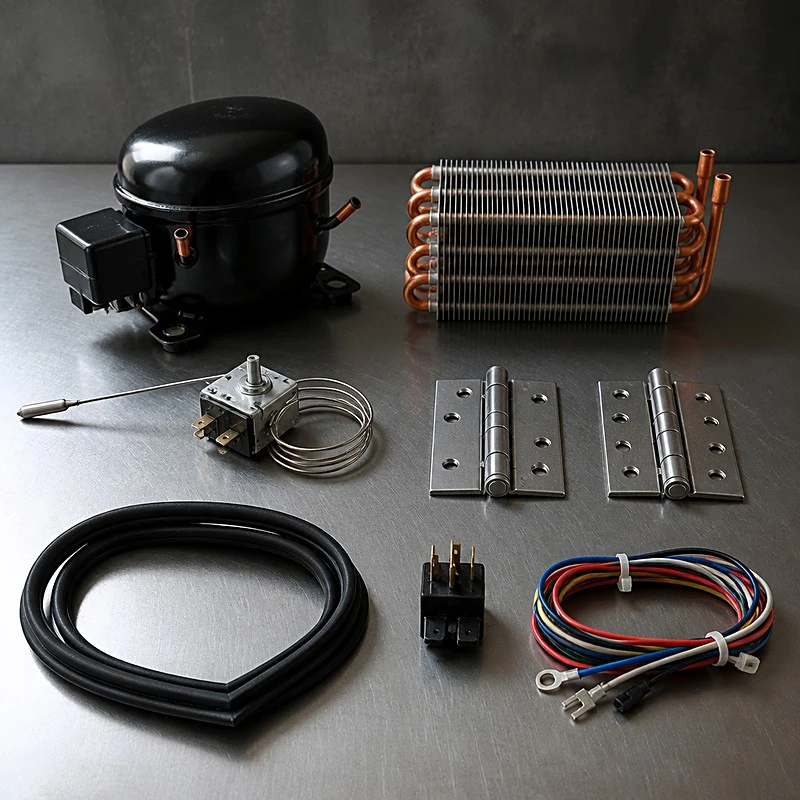
This is the standard pack for a two-door home refrigerator. Freezers, glass-door showcases and island cabinets follow the same logic with a different panel set, and every line can be quoted as a spare part on its own once your line is running.
| Item | Supplied in the kit | Notes |
|---|---|---|
| Cabinet side panels | Pre-painted steel, flat packed, 0.40 mm outer skin | Packed in face-to-face pairs, edges protected |
| Top and bottom panels | Pre-painted steel, cut and notched | Fold lines and notches are pre-stamped at our plant |
| Inner liner | HIPS food-grade liner, vacuum formed | Drain hole and thermostat pocket moulded in |
| Doors | Door shell, foamed and trimmed | Gasket fitted before packing, so the seal is ours to guarantee |
| Door gasket | Magnetic PVC profile, cut to length | One spare strip per ten doors |
| Hinges and latch | Exclusive latch, no exposed strike hook | Left or right hand set per order |
| Handle | Bar handle, colour matched to the door | Alternative handle styles available on request |
| Shelves | Wire rack or glass shelf set | Count follows the cabinet size you order |
| Compressor | Hermetic compressor, 100% copper windings | Voltage, frequency and refrigerant matched to your market |
| Condenser | Tube and fin coil, 6.0 mm copper tubing | Nitrogen charged and capped, 120 denser wires on the 208 cabinet |
| Evaporator | Blow-plate or finned coil | Matched to cabinet volume and refrigerant |
| Capillary and filter drier | Pre-cut capillary, new filter drier | Sealed in foil bag, use within the day it is opened |
| Thermostat or controller | Mechanical thermostat or electronic controller | Solar direct-drive models take the DC controller instead |
| Fan motor | Axial fan with blade and guard | AC or DC per build |
| Wiring harness | Pre-terminated harness with plugs | Colour coded, no field crimping |
| Castors and feet | Pure white nylon castors, no recycled content | Four per unit, plus two spare |
| Fasteners and clips | Screws, clips, corner blocks, foam plugs | Bagged per unit, never bulk weighed |
| Nameplate and manual | Local brand nameplate and language manual | Printed to your artwork, applied at packing |
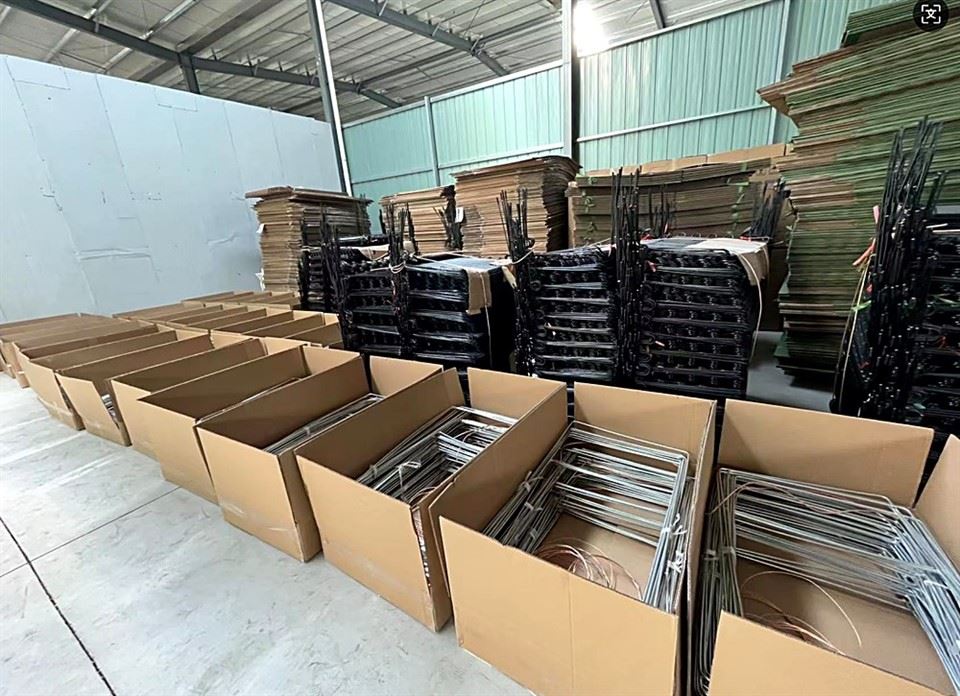
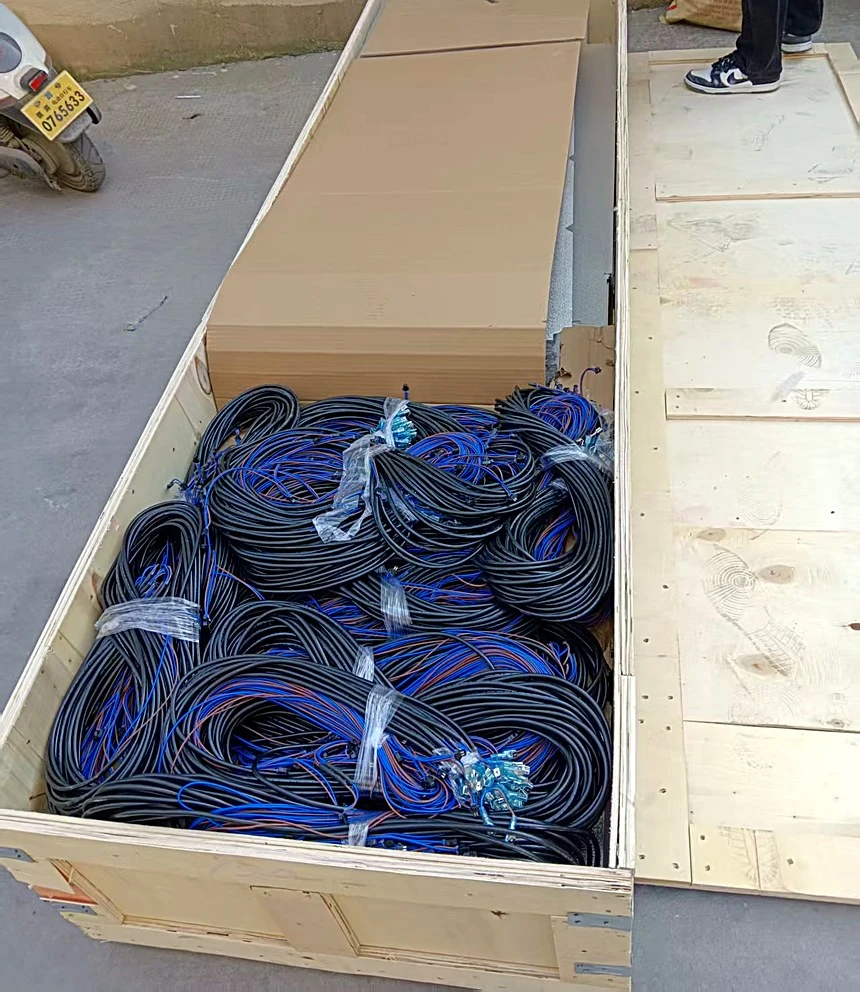
Everything In One Frame, Because That Is How Your Team Learns
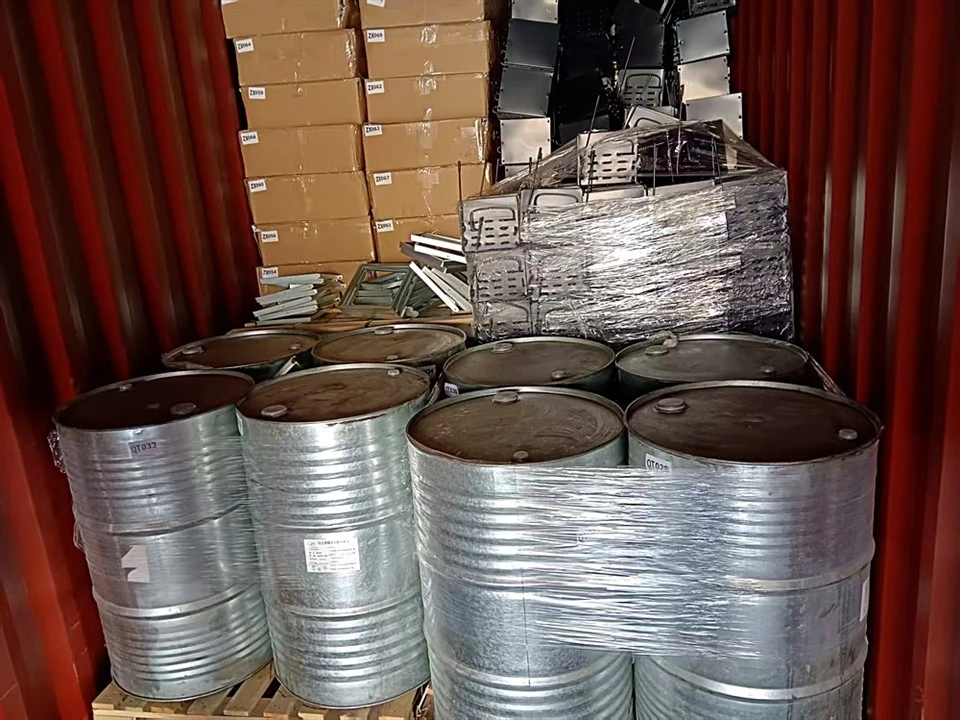
A kit is checked twice: once as a bill of materials, once as a physical pack. Panels are counted by hand, doors are opened and re-taped, and the sealed parts are logged by serial number before the crate is closed. When the crate reaches you, the pack list is inside the lid, in the order the stations use it.
Missing parts are the single most expensive thing in a start-up factory, because a missing gasket stops a whole cabinet. That is why the pack carries a spare allowance on the low-cost consumables and why every kit is photographed before it leaves.
Twelve Stations Between A Crate And A Cabinet
A refrigerator factory is not complicated. It is sequential. Get the order of operations right and a small team can hold tolerance; get it wrong and every station inherits the mistakes of the one before. These are the twelve stations we set up with you, in the order we set them up.
Site and layout
We start with a drawing of your building, not a catalogue. Door width, ceiling height, power entry, water, drainage, and where finished units will stand without being moved twice. A first line fits inside 800 to 2,000 square metres, including the foaming bay, the charging bench and the packing area, with room for a second line later.
Tooling list and power audit
The kit is the material; the tooling is what turns it into a product. Foaming fixtures, a vacuum pump, a charging station, a press brake, a spot welder, a leak detector and enough roller conveyor to move a cabinet without lifting it. The list ships with ratings, so your electrician can price the supply before the container sails. Around 20 kW of stable power plus a generator is the usual starting point, and 380 V three-phase is preferred because the vacuum pump and the bending machine run more reliably on it.
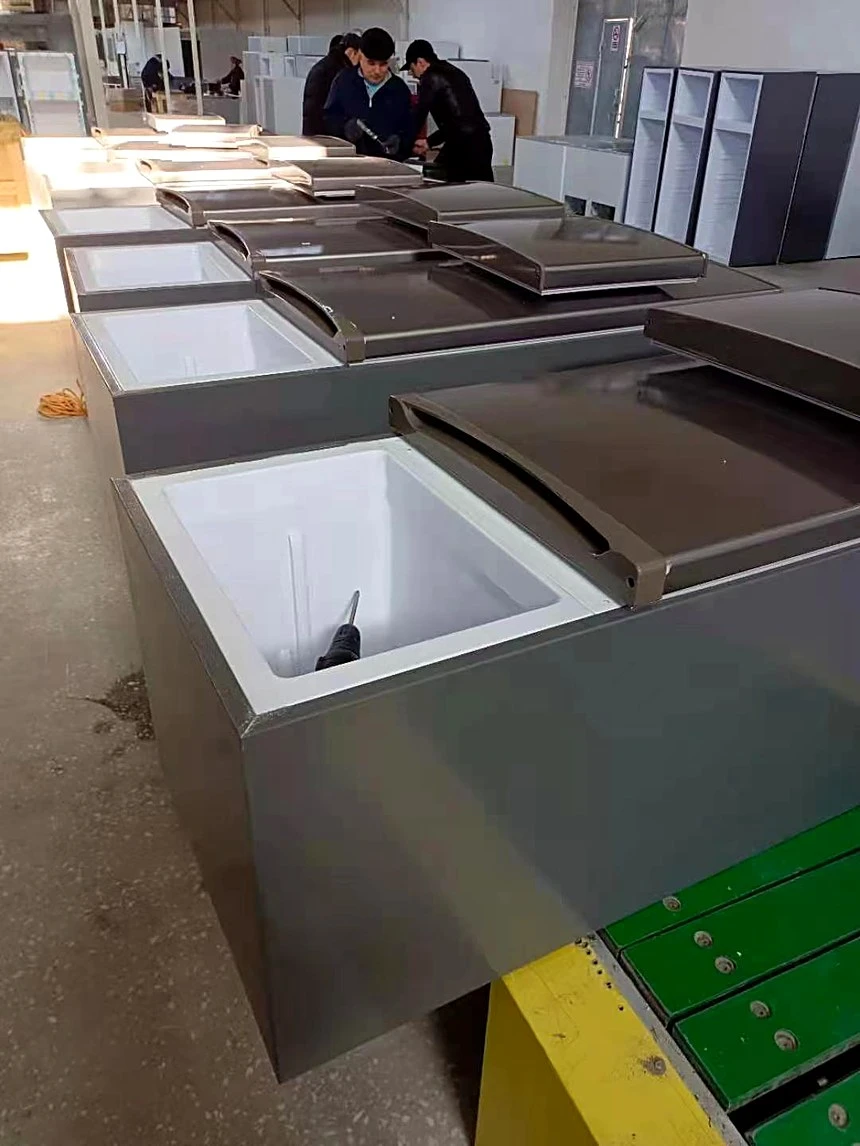
Before The Foam, It Is Only Folded Steel
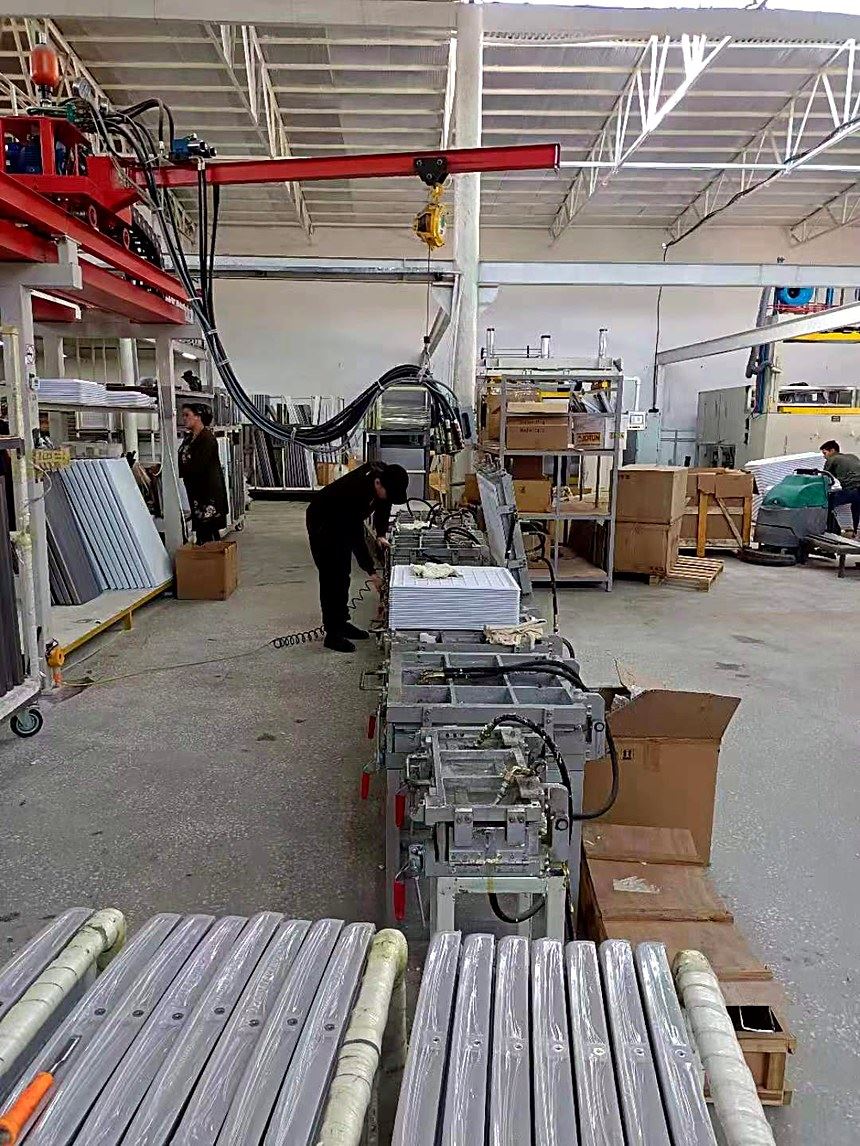
This is what a cabinet looks like at the halfway point: sides folded and joined, liner in, wiring laid into the wall, no insulation and no door. Everything downstream depends on this station being square. A cabinet that is two millimetres out of square will fight the door for the rest of its life.
We teach the diagonal check and the gap check before we teach anything else, because both can be done with a tape measure and both catch the mistakes that no test at the end will fix.
The first kit order
Kits are quoted per model and per container. Start with one model and one container: training a team on a single cabinet is far easier than training it on five. The first order is also where the local identity is fixed, panel colour, handle style, badge, manual language, plug type, voltage and refrigerant.
Unpacking and staging
A kit has a right unpacking order. Panels into the rack, doors left wrapped, sealed refrigeration parts into a locked cage, fasteners into station bins sorted by unit. The pack list in the lid is the map, and the photograph we take before loading is the reference when something looks short.
One Sheet, Two Folds, One Correct Angle
Panels arrive cut and notched. Bending is the first place a new team loses time, because a fold that is one degree open will not close at the corner block. The press brake settings travel with the kit, written per panel, not per machine.
This is also where the steel specification matters. Our cabinets use 0.40 mm outer steel and 0.32 mm inner liner, against the 0.35 mm and 0.26 mm that most factories use. Thicker steel bends predictably and holds a corner, which is exactly what a hand-built cabinet needs.
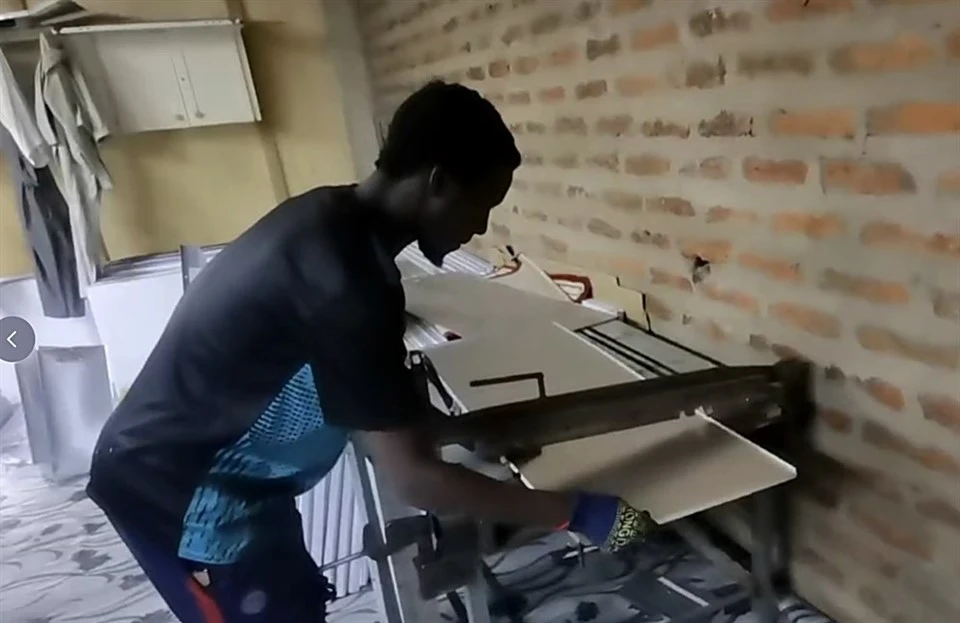
Cabinet pre-assembly
Sides, top, bottom and back are folded and joined on a flat table, squareness checked at the diagonal, then the liner goes in and the harness is laid into the wall before the cabinet is closed. This is the station where an untrained team shows first, so it is the first one we stand at.
Foaming
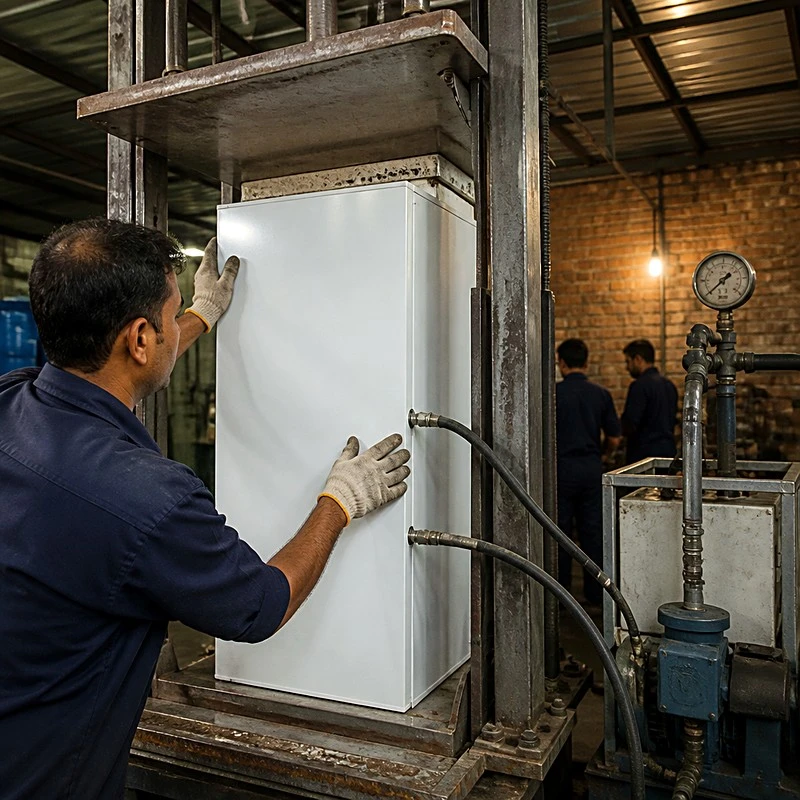
The cabinet goes into the fixture, the injection gun fills the wall cavity, and the fixture holds the shape while the foam rises. Foam quality is a temperature story: our own plant runs a 20-23 deg C foaming room for a reason, and the same discipline applies in yours. Insulation is 65 mm, 85 mm or 110 mm depending on the model and the climate the unit is sold into.
Foam Is Where A Kit Becomes A Product
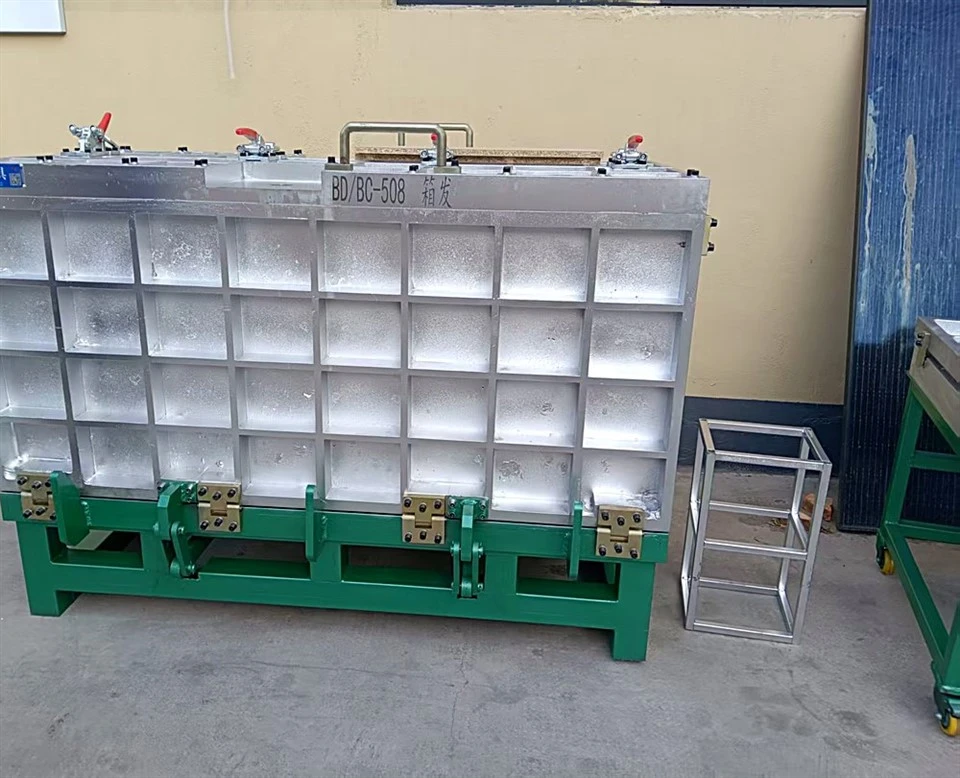
A foaming fixture is a steel cage with a hydraulic or manual clamp and a set of pins that locate the cabinet at the exact height of the injection port. It is the heaviest item on the tooling list and the one most often under-specified, because a loose fixture produces a cabinet with a bulge that no amount of trimming hides.
Fixtures are built for the cabinet family you order and shipped with the kit. If you add a second cabinet size later, you add a fixture, not a second line.
Refrigeration circuit
Nitrogen purge before brazing, so no oxide flakes travel into the capillary. Compressor, condenser, filter drier and evaporator are joined in the order the process sheet shows, and every joint is checked by eye before it disappears behind a panel. Our condenser tubing is 6.0 mm copper against the 4.78 mm used by most factories, with 120 denser wires on the 208 cabinet, which is why the same compressor runs cooler here.
Evacuation and charging
Vacuum to 20 Pa or better, hold, then charge by weight from the table for that model. A deep vacuum is not a formality: moisture left in the circuit is the most common cause of a capillary blocked in month three, and it is invisible until it happens.
Charge By Weight, Test By Curve
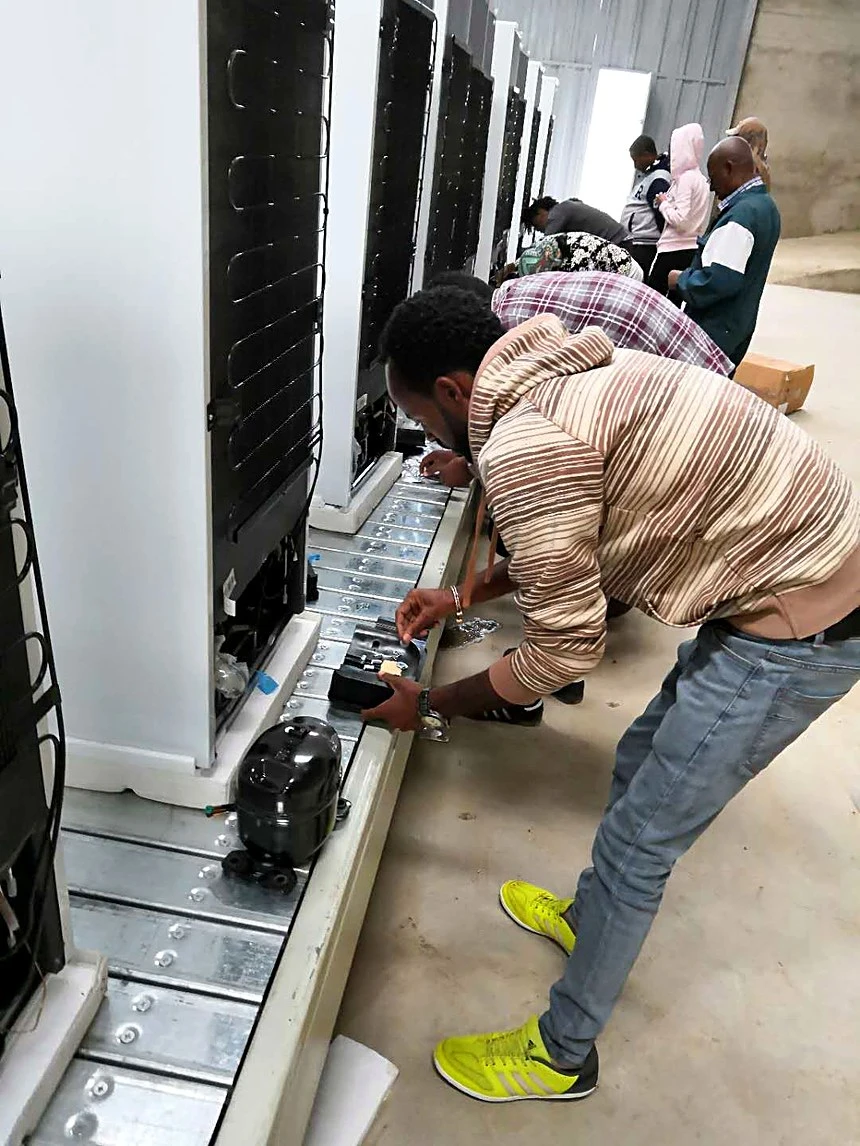
Charging is the only station where a small error looks like success. Half a gram too little and the freezer still reaches temperature in a cool workshop and fails in a hot shop. So the charge table is per model, the scale is calibrated, and the unit is judged on the pull-down curve rather than on a single thermometer reading.
Every unit gets a static leak test and an operating leak test. Our own plant uses INFICON detectors on both passes; the same pass and fail limits ship with the kit.
Electrical and controls
The harness plugs into the controller, the thermostat goes into its pocket, fan and light are connected, and earth is checked with a meter rather than by eye. On solar direct-drive builds the DC controller replaces the mains controller, and the 10 V to 50 V wide input is what lets a panel array drive the compressor without an inverter.
Leak test and cool-down
Static leak test first, then an operating leak test with the unit running, then a cool-down run long enough to see the curve flatten. A cabinet is signed off by the person who tested it, on a sheet that stays with the serial number.
Move The Cabinet, Not The Person
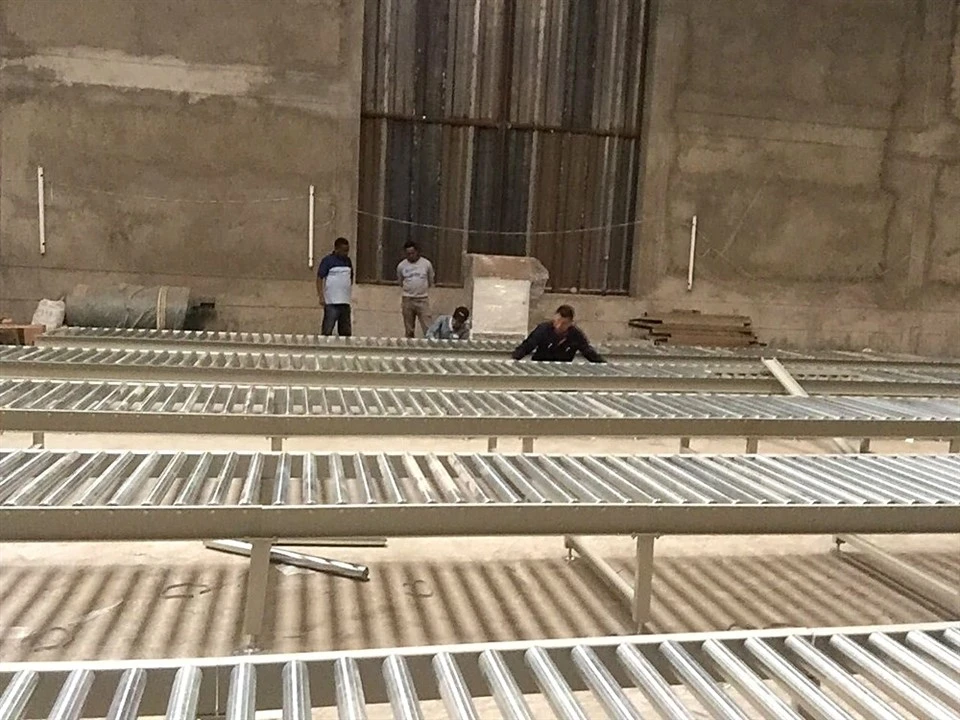
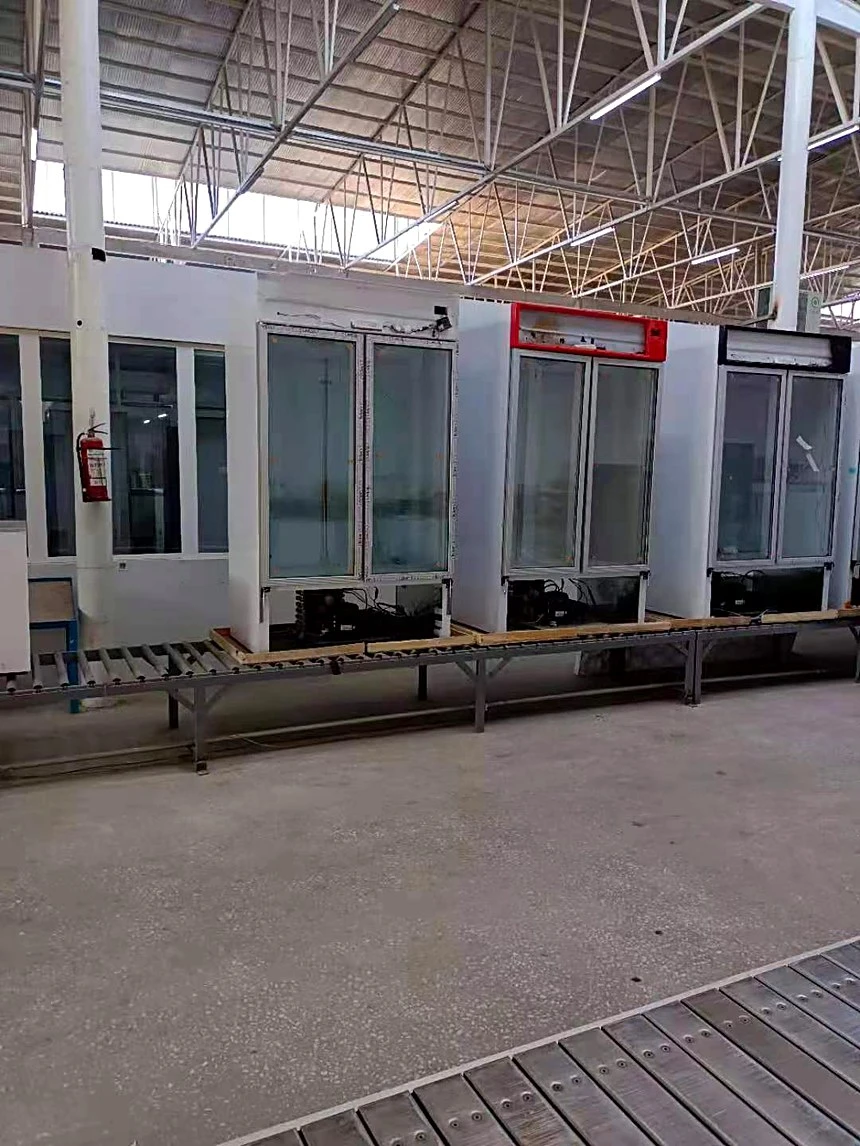
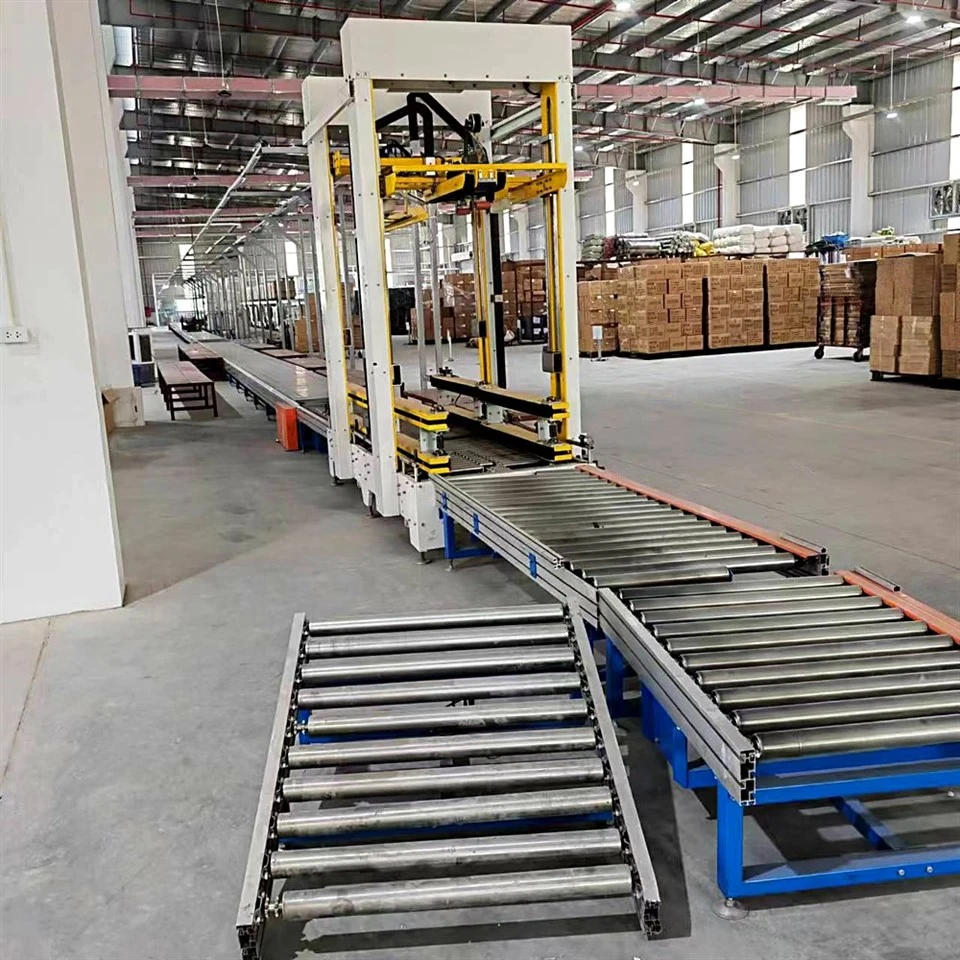
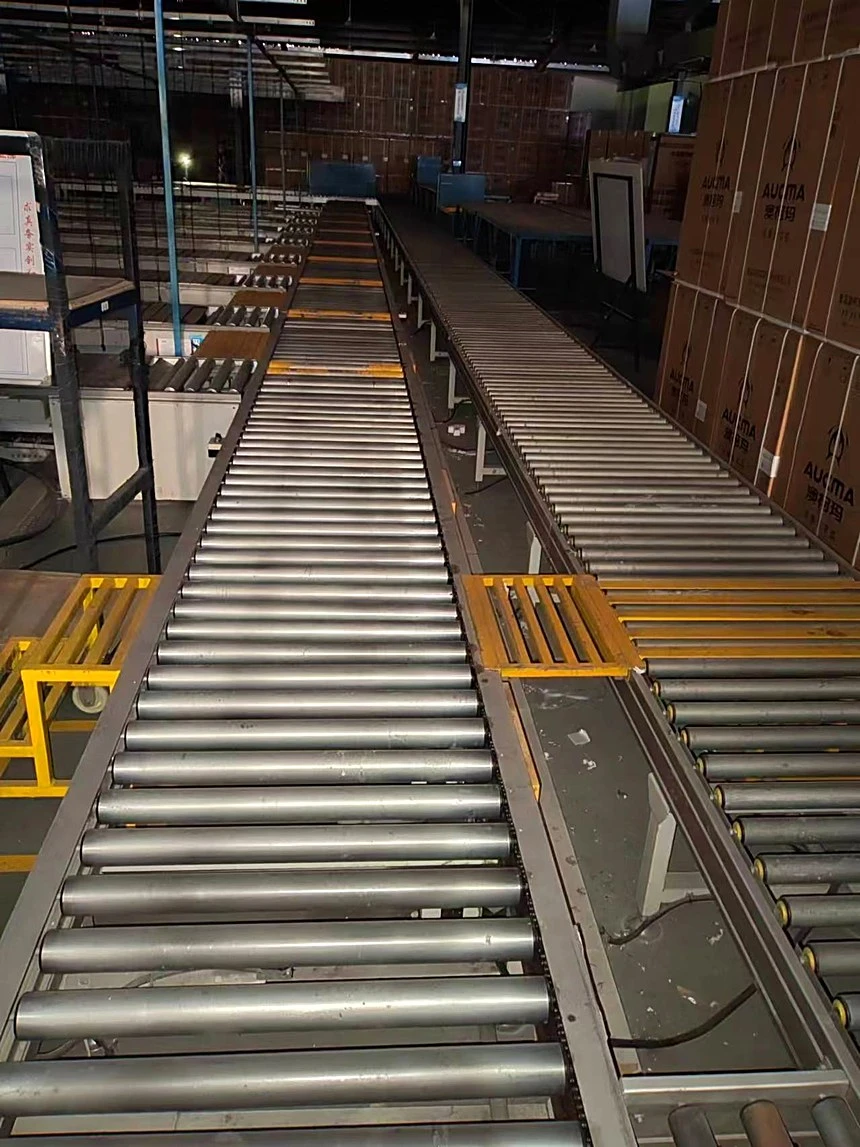
Roller conveyor is the cheapest productivity you will ever buy. One line down the middle with stations on both sides means a cabinet travels three metres between foaming and charging instead of being lifted by four people and set down crooked.
Layouts are drawn for the tools you actually own, not for an ideal factory. If the budget only covers conveyor between two stations, the drawing shows exactly those two, and the rest is added in the second year.
Packing and local branding
Protective film off, badge on, manual in the language you sell in, carton printed with your name and your model code. A locally assembled cabinet should read as locally owned, not as an import in a different box.
Ramp-up and after-sales
The first month is about repeatability: same torque, same charge, same test result, every unit. Our engineer stays for the training window and comes back every year to look at yield, rework and field returns with your team, because a factory that stops improving starts losing to the one that does not.
The Same Container That Brought Parts Takes Out Cabinets
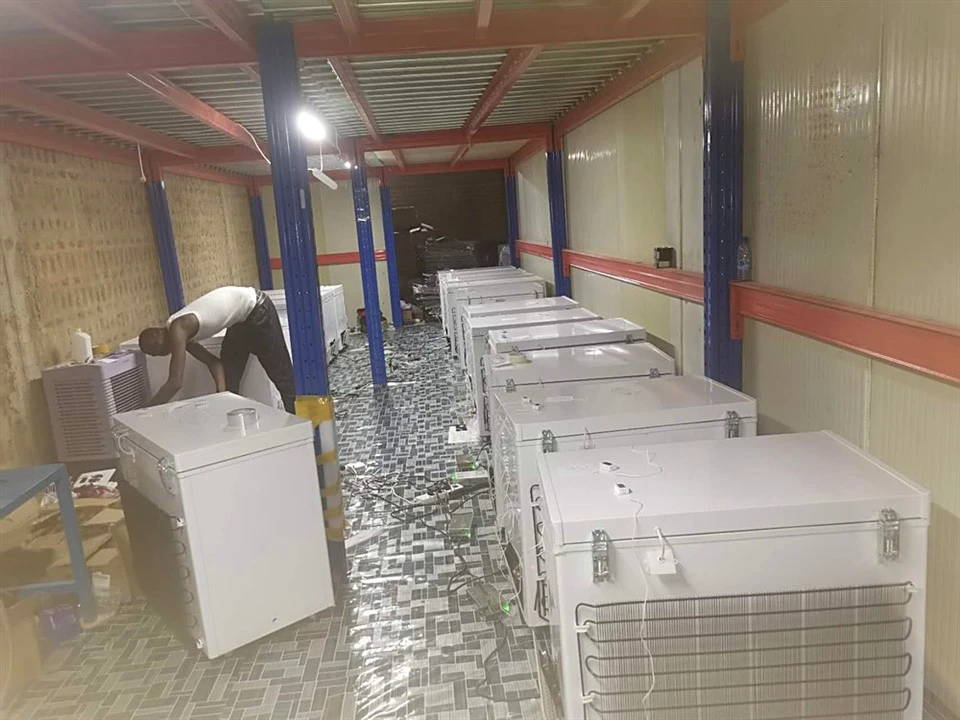
Once the line runs, outbound packing matters as much as inbound. Units are stacked by model, corners protected, doors taped shut, and the load is planned so the first unit off the truck is the first one the dealer asked for.
Buyers who start with kits usually end up shipping to neighbours within two years. That is the point of building a line rather than a warehouse.
Why A Kit Travels Further Than A Finished Cabinet
Four levers decide whether local assembly beats importing complete units. None of them is a secret, and all four move in the same direction once the line is running.
| Lever | What actually changes | What to check in your market |
|---|---|---|
| Freight per unit | One container of CKD parts carries two to three times the units of the same container loaded with complete appliances, so ocean freight per cabinet falls by more than half | Your forwarder rate per 40ft and the actual pack density for the model you choose |
| Duty at the border | Knocked-down parts are commonly duty-free or taxed at the lowest rate, while finished appliances sit in the highest band | The tariff code your broker will use for panels, compressors and complete cabinets, before you sign |
| Assembly labour | Assembly, foaming, charging and packing are labour, and labour in the Middle East, South America and Africa is priced very differently from the country the appliance is made in | Wage cost per station per shift, and how many stations one person can cover |
| Working capital | You hold parts that turn into product on demand instead of finished stock sitting in a warehouse | How many units a month you can actually sell, and how long a container takes door to door |
A Kit Does Not Build A Factory By Itself
It will not cover a missing power supply, a team that leaves after training, or a customs code chosen badly at the start. It does not remove the need for a quality check at the end of the line, and it does not make a 110 mm cabinet out of a 65 mm panel set. What it does is give you the material, the method and the person who has done it before, in one shipment, with the numbers written down.
Local content rules differ by country and by year. We will tell you what our kits contain and where each part is made, so your team can have that conversation with your own authorities rather than guess at it.
Buyer Preparation Checklist
Five items, all of them yours to arrange. If any one is missing, the schedule moves rather than the price.
| Item | What is needed | Why it matters |
|---|---|---|
| Workshop | 800 to 2,000 square metres, covered, with a floor that takes a foaming fixture | The fixture is heavy and the cabinet must stay square on a level surface |
| People | Workers recruited and stable before the kit lands | Training is only useful if the people trained are still there in month three |
| Power | Stable AC supply plus a generator, around 20 kW, 380 V three-phase preferred | The vacuum pump and the bending machine are the two tools that complain first |
| Water and drainage | A wash point near the foaming bay | Foam spill and panel cleaning are daily, and a bucket does not scale |
| Engineer travel | USD 150 per day allowance, plus all costs after our engineer leaves our factory | This is the only line item that is quoted separately from the kit |
Six Machines, One Bench, One Cage
A first line does not need a machine shop. It needs the six items below, a charging bench and a locked cage for compressors and sealed parts. Everything on the list can be sourced locally or shipped with the kit, and the ratings are written so a local electrician can wire it without translation.
Roller conveyor is optional in year one and close to essential in year two, once two people are moving cabinets instead of building them.
| Equipment | Role on the line | Notes |
|---|---|---|
| Foaming fixture | Holds the cabinet while the foam rises | Built for the cabinet family you order, shipped with the kit |
| Vacuum pump | Evacuates the sealed circuit before charging | Two-stage, with a gauge that reads below 20 Pa |
| Charging station | Weighs refrigerant into each unit | Platform scale plus manifold, calibrated before the first shift |
| Press brake | Folds the flat panels | Settings written per panel, not per machine |
| Spot welder | Tacks the cabinet frame and brackets | Hand-held gun is enough for a first line |
| Leak detector | Static and operating leak test | Same pass and fail limits as our plant |
| Roller conveyor | Moves cabinets between stations | Straight sections plus one turntable, extended later |
Technology Provider, General Contractor, Or Neither
The split is deliberate. We do not own your company, we do not sell under your name, and we do not take your customers. You keep the factory, the brand and the market.
One Engineer, Fifteen To Twenty Days, Then Every Year
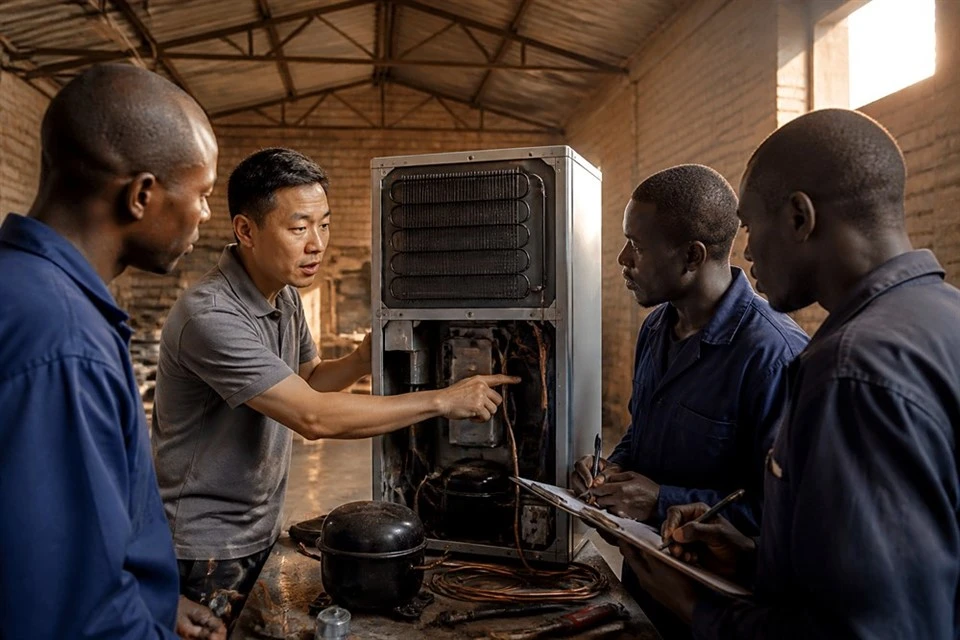
A single engineer travels with the first kit. Fifteen to twenty days on site covers unpacking, the first cabinet built station by station, the first foaming run, the first charge and the first full test. After that the line belongs to your team.
The annual visit is not a courtesy. It is where yield, rework and field returns get looked at with fresh eyes, and where process improvements from our own plant get handed over before they become obsolete.
From Deposit To A Running Line
Chest Freezers, Showcases, Refrigerators, And Beyond
The kit programme started with chest freezers and now covers most of what a household and a shop in a hot climate actually buys. Volumes below are the ranges we build; the pack, panel set and fixture change with the family, the method does not.
| Family | Volume range | Formats | Notes |
|---|---|---|---|
| Foam door chest freezer | 100 / 150 / 200 / 250 / 300 L | CBU, SKD, CKD | Single and double top-opening, DC and AC, 65 mm or 110 mm insulation |
| Curved and flat glass showcase | 150 to 500 L | CBU, SKD, CKD | 85 mm insulation, ST and T climate classes, LED light and light box options |
| Island cabinet | On request | CBU, SKD, CKD | Open-top island for frozen retail, panel set built per length |
| Display and cake cabinet | On request | CBU, SKD, CKD | Upright glass door and cake showcase, same folded panel method |
| Home refrigerator | Single, double and French door | CBU, SKD, CKD | Freezer top or bottom, all-fridge or all-freezer single door |
| Air conditioner | On request | CBU, SKD, CKD | Split and solar hybrid, wall mount |
| Washing machine and gas cylinder | On request | CBU, SKD, CKD | Added to the programme on request, same packing discipline |
The Solar Direct-Drive Cabinet, In Kit Form
The first two models offered as kits are the BD/BC-208L and the BD/BC-308L: chest freezers running on a 10 V to 50 V DC wide-voltage solar direct-drive system. No inverter between the panel and the compressor, which is where the efficiency comes from and where the cost comes out.
The Checks We Refuse To Outsource
A kit is only as good as the standard behind it. These are the checks our own plant runs on every unit, and the same numbers are written into the process sheet that ships with your kit.
Our Own Line Is The First Reference
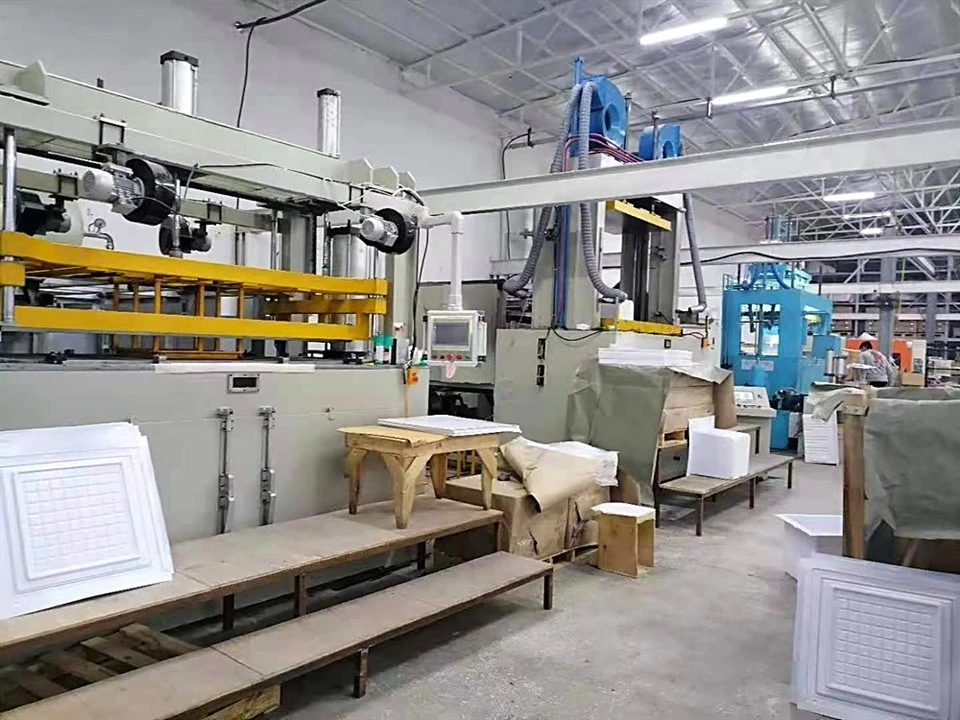
Every fixture, tooling list and process sheet in a kit exists because it is already running in our own plant. Cabinet steel, foam room temperature, evacuation limits and leak test method were not written for export; they were written for our own output and then packed into a container.
That matters when something goes wrong 6,000 km away, because the answer is usually a number we already know rather than a theory we have to test.
Where The Kits Have Already Landed
Cameroon, Chad, Congo, Uzbekistan and Yemen are the markets where local assembly from our kits is already running. Different climates, different power, different customs codes, same method.
The first container decides the next three. If a partner can build, foam, charge and sell out of one container, the second order is a bigger kit and a second fixture. If the first container sits, we would rather know why than ship another one.
A Shop That Stocks What It Can Repair
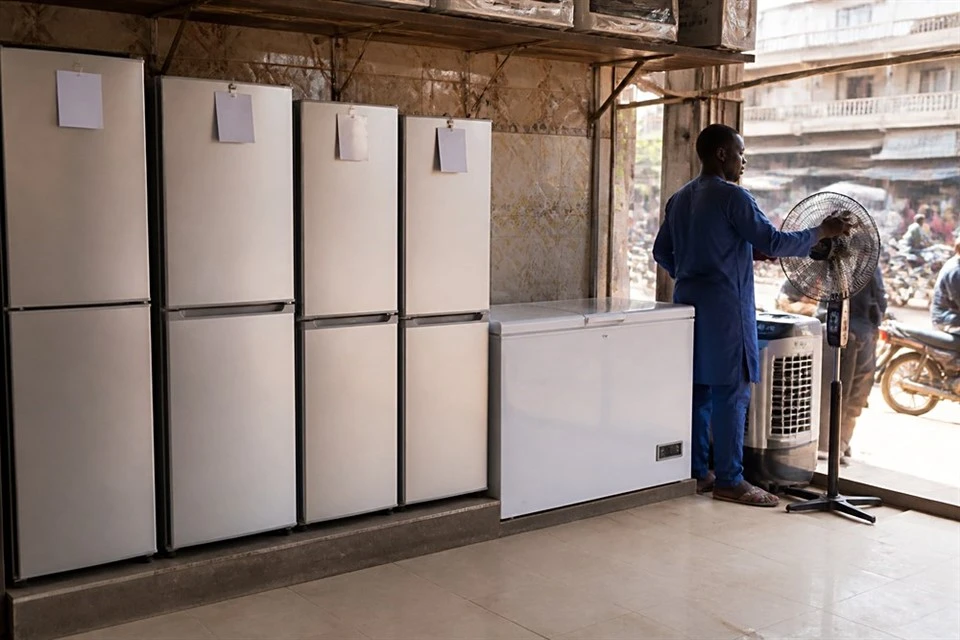
The commercial point of a local line is not patriotism, it is lead time. A dealer who can replace a door gasket or a thermostat from stock keeps a customer; one who has to wait for a container loses them to the brand next door.
That is why the same kit programme covers spare parts as a standing item, not as an afterthought. Once the line runs, panels, doors, gaskets, compressors and controllers can be ordered on their own, in the quantities a service network actually uses.
CKD And SKD, In Plain Terms
One container of knocked-down parts carries two to three times the number of units it would carry as complete appliances. The exact figure depends on the model, the panel set and how tightly the crate is planned, and it is confirmed per order rather than per family.
No. The line is designed so that trained technicians can build, foam, evacuate, charge and test to a written sheet. What is needed is one person who owns the test result, and the discipline to keep the stations in order.
Unpacking and staging, cabinet build and square check, foaming and fixture handling, brazing and nitrogen purge, evacuation and charge by weight, electrical check, leak test and pull-down test. Fifteen to twenty days on site with one engineer, then an annual visit.
The pack list is inside the lid and the crate is photographed before loading, so the shortage is settled against a record rather than an argument. Low-cost consumables carry a spare allowance, and sealed parts are logged by serial number.
Yes. Panel colour, handle style, badge, manual language, plug type and carton printing are fixed at the first order. The cabinet is built to your specification, not rebadged after the fact.
For a first order a single model is much easier to train on and to pack. Mixed containers work once the team is comfortable with one cabinet, because each model brings its own panel set, fixture height and charge table.
Yes, as a standing item. Panels, doors, gaskets, hinges, compressors, controllers, fans and harnesses can be ordered on their own, in service quantities rather than container quantities.
The building, the people, the local power supply, the customs clearance and the engineer travel allowance. Those are yours to arrange, and the checklist above lists each one so nothing is discovered late.
Kit Data At A Glance
| Item | Value |
|---|---|
| Kit type | CKD, SKD or CBU, same cabinet in three supply formats |
| Scope of programme | Home refrigerators, foam door chest freezers, curved and flat glass showcases, island cabinets, display and cake cabinets, air conditioners, washing machines, gas cylinders |
| Cabinet outer steel | 0.40 mm pre-painted steel |
| Cabinet inner skin | 0.32 mm steel, HIPS food-grade liner |
| Frame material | LG130 low-temperature grade |
| Insulation | 65 mm, 85 mm or 110 mm depending on model and climate |
| Condenser | 6.0 mm copper tubing, 120 denser wires on the 208 cabinet |
| Compressor | Hermetic, 100% copper motor windings |
| Refrigerant | R134a or R600a per model, confirmed on the order confirmation |
| Voltage options | 12 V or 24 V DC, 220 V 50 Hz, 110 V 60 Hz, or 10 V to 50 V DC direct drive |
| Control | Mechanical thermostat or electronic controller, DC controller on direct-drive |
| Container loading | Two to three times the CBU unit count, confirmed per model |
| Pack contents | Panels, liner, foamed doors, sealed circuit parts, harness, fasteners, nameplate, manual |
| Tooling | Foaming fixture, vacuum pump, charging station, press brake, spot welder, leak detector, roller conveyor |
| Workshop | 800 to 2,000 square metres for a first line |
| Power | Around 20 kW stable supply plus generator, 380 V three-phase preferred |
| Training | 15 to 20 days on site with one engineer, annual follow-up visit |
| Lead time | 55 to 60 days shipping after deposit, 180 days to a commissioned plant |
Four Companies, One Supply Chain
Hangzhou Juka has built cold-chain equipment since 2009. The group is arranged so that design, manufacturing, solar product development and CKD project delivery each sit with the team that does the work, rather than being routed through a trading office.
Website www.juka.cc | Kevinfu@juka.cc | WhatsApp +86 133 0652 5195
Hot Tags: spare parts ckd skd for home refrigerator, China spare parts ckd skd for home refrigerator manufacturers, suppliers, factory


